The recent oil price shock has raised concerns about its impact on the Indian economy and the stability of the Narendra Modi government. However, a deeper analysis suggests that the oil shock alone is unlikely to create a survival crisis for the administration. Instead, it is the cumulative frustration of the youth over issues such as unemployment, exam paper leaks, and rampant corruption that has the potential to become the core force driving current protests against the government.
Youth Discontent: A Growing Force
India's youth population, which forms a significant part of the electorate, has been increasingly vocal about their grievances. The lack of adequate job opportunities, despite promises of economic growth, has led to widespread disillusionment. Recent incidents of exam paper leaks have further eroded trust in the system, while allegations of corruption at various levels have added to the sense of injustice.
Unemployment Crisis
Unemployment remains one of the most pressing challenges. According to recent data, the unemployment rate has been hovering at elevated levels, particularly among the educated youth. This has not only affected their livelihoods but also their aspirations, leading to a sense of betrayal.

Exam Paper Leaks
The recurring issue of exam paper leaks has sparked outrage among students and parents alike. These incidents undermine the credibility of educational institutions and examination bodies, creating a perception of systemic failure. The government's handling of these leaks has been criticized as inadequate, further fueling public anger.
Corruption Concerns
Corruption remains a persistent problem, with allegations of bribery, nepotism, and misappropriation of funds surfacing regularly. Despite anti-corruption measures, the perception of impunity for the powerful continues to erode public confidence in the government.
Oil Shock: Economic Pain but Political Buffer
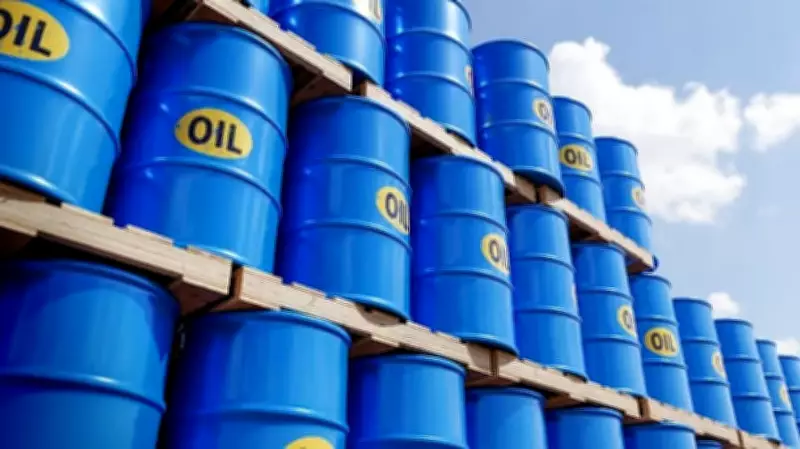
The oil price hike has added to inflationary pressures, impacting household budgets and increasing the cost of transportation and essentials. However, the government has taken steps to mitigate the impact, such as reducing excise duties and providing subsidies to vulnerable sections. These measures may help cushion the economic blow and limit political fallout.
Government's Response
The Modi administration has been proactive in addressing the oil crisis, engaging in diplomatic efforts to secure stable supplies and exploring alternative energy sources. While these actions may not fully alleviate the economic burden, they demonstrate a commitment to managing the situation.
Conclusion: A Multifaceted Challenge
In conclusion, while the oil shock poses economic challenges, it is not an existential threat to the Modi government. The real danger lies in the growing discontent among the youth, driven by unemployment, exam leaks, and corruption. If these issues are not addressed effectively, they could coalesce into a powerful protest movement that could destabilize the government. The administration must prioritize these concerns to maintain political stability and public trust.