Omar Abdullah Voices Strong Opposition to Mosque and Madrassa Profiling in Jammu and Kashmir
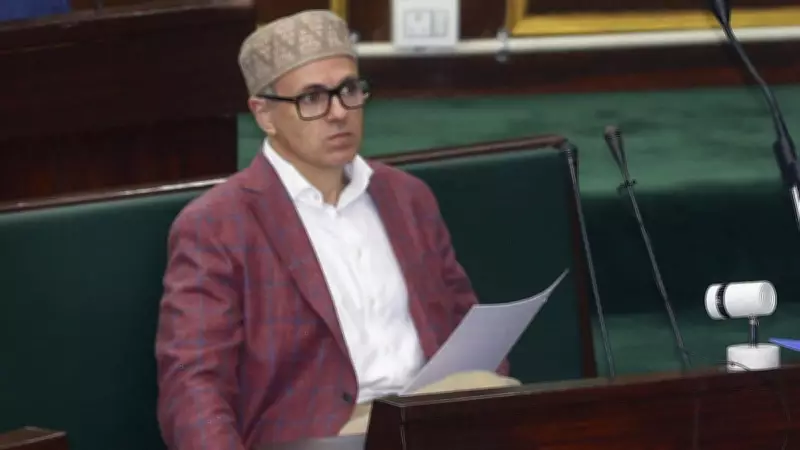
National Conference leader and former Chief Minister Omar Abdullah has raised serious concerns regarding the proposed profiling of mosques and madrassas in the Union Territory of Jammu and Kashmir. During a discussion on the vote of thanks to the Lieutenant Governor's address in the Legislative Assembly, Abdullah delivered a pointed critique of the initiative, labeling the survey of mosque imams as "completely inappropriate".
Legislative Assembly Debate Highlights Tensions
Speaking in the assembly session, Abdullah emphasized that such profiling measures could undermine community trust and foster unnecessary suspicion. He argued that targeting religious institutions and their leaders without clear justification sets a dangerous precedent for governance and interfaith relations in the region. This intervention comes amid ongoing debates over security and administrative policies in Jammu and Kashmir, which has seen significant political and social changes in recent years.
Context and Implications of the Profiling Proposal
The proposal to profile mosques and madrassas is part of broader efforts by authorities to enhance security and monitor activities in sensitive areas. However, critics like Abdullah contend that this approach risks stigmatizing Muslim communities and infringing on religious freedoms. He highlighted that mosques and madrassas serve as centers of worship and education, and subjecting them to intrusive surveys could alienate law-abiding citizens.

- Abdullah's remarks reflect growing unease among political leaders about the balance between security measures and civil liberties.
- The debate underscores the complex challenges facing Jammu and Kashmir's administration in maintaining peace while respecting democratic norms.
- Responses from other assembly members and government officials are anticipated as discussions continue.
As of February 6, 2026, the issue remains a focal point in Jammu and Kashmir's political landscape, with potential implications for future policy directions and community relations. The assembly session provided a platform for Abdullah to articulate these concerns, drawing attention to what he perceives as an overreach in governance strategies.