

Operation Trident: The Heroic Naval Strike That Lit Up Karachi in 1971
In the annals of India's military history, Operation Trident stands as a shining beacon of courage and strategic brilliance. Launched during the 1971 Indo-Pak war, this audacious naval assault targeted the Karachi harbour, setting it ablaze and delivering a crippling blow to Pakistan's maritime capabilities. The operation, executed with precision and daring, involved a fleet of Indian Navy missile boats that struck under the cover of darkness, showcasing unparalleled bravery and tactical acumen.
The Unsung Warrior Behind the Flames
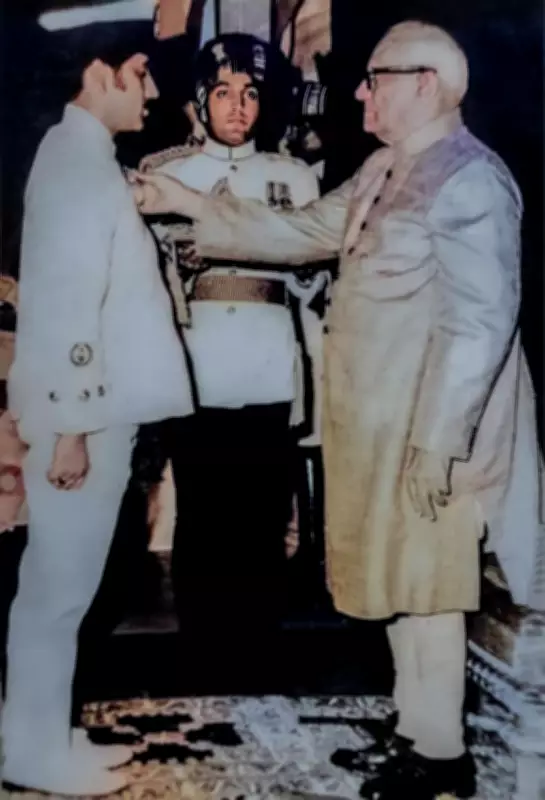
At the heart of this historic mission was an unsung warrior, whose leadership and valor were instrumental in its success. This individual, often overshadowed in broader narratives, commanded the forces that navigated treacherous waters to reach Karachi. With nerves of steel, they coordinated the attack, ensuring that missiles found their mark and ignited the harbour, causing widespread destruction and chaos. The warrior's role epitomizes the spirit of the Indian Navy, where every sailor contributes to a larger legacy of defense and honor.
Strategic Impact and Historical Significance
Operation Trident was not just a military victory; it was a psychological masterstroke that shifted the war's momentum in India's favor. By targeting Karachi, a key economic and naval hub, India disrupted Pakistan's supply lines and demonstrated its naval prowess on the global stage. The operation highlighted the importance of innovation in warfare, as it utilized newly acquired missile technology to achieve a decisive outcome. Today, it is remembered as a testament to India's commitment to safeguarding its sovereignty and as a lesson in the power of coordinated naval strikes.

Legacy and Remembrance in Modern Times
The legacy of Operation Trident and its warriors continues to inspire generations of Indians. In Himachal Pradesh and across the nation, stories of this hero are shared with pride, reminding us of the sacrifices made for freedom and security. As we reflect on this chapter from 1971, it underscores the need to honor such figures who risked everything for their country. Their actions serve as a powerful reminder of the resilience and courage that define India's armed forces, urging us to preserve their memories for future enlightenment.






