

Opposition's Bid to Remove Speaker Om Birla Fails in Lok Sabha
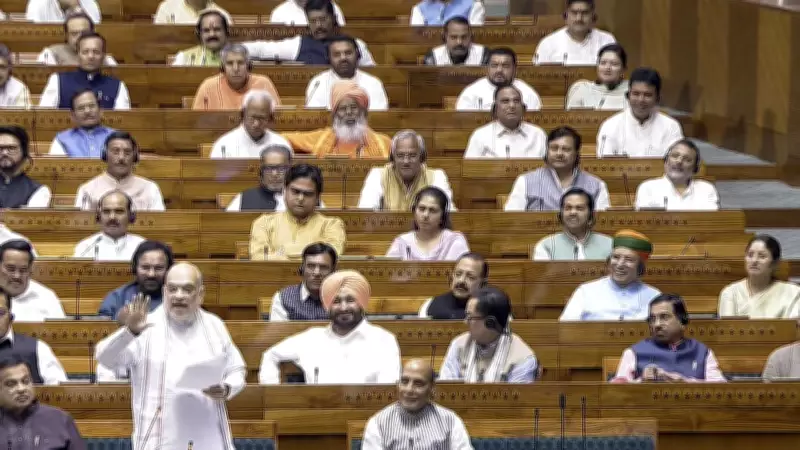
A resolution calling for the removal of Om Birla as the Speaker of the Lok Sabha was decisively defeated by a voice vote in the lower house of Parliament on March 11, 2026. The motion, which was introduced by opposition parties, faced strong resistance and was ultimately rejected without a formal division of votes.
Chaotic Proceedings Amid Protests
The parliamentary session was marked by significant turmoil as opposition members staged protests, demanding an apology from Union Home Minister Amit Shah. The uproar created a tense atmosphere in the chamber, with lawmakers raising slogans and disrupting the proceedings.
Presiding over the session, Deputy Speaker Jagdambika Pal announced the defeat of the no-confidence motion against Speaker Om Birla. The announcement came after a brief discussion, with the ruling party and its allies firmly opposing the resolution.

Background and Political Implications
The motion against Om Birla is seen as a strategic move by the opposition to challenge the government's authority and highlight issues of parliamentary conduct. Om Birla, who has served as Speaker since 2019, has been a central figure in maintaining order and decorum in the Lok Sabha.
This incident underscores the ongoing political tensions in Indian Parliament, where opposition parties frequently use procedural tools to voice dissent. The defeat of the motion reinforces the ruling coalition's dominance in the house and its support for the current Speaker.
Key Points:
- The resolution was defeated by voice vote, avoiding a detailed roll-call.
- Opposition protests centered on demands for an apology from Amit Shah.
- Deputy Speaker Jagdambika Pal presided over the contentious session.
- The event highlights persistent friction between the government and opposition in Parliament.
The outcome is expected to have lasting implications for parliamentary dynamics, potentially influencing future debates and motions in the Lok Sabha.






