

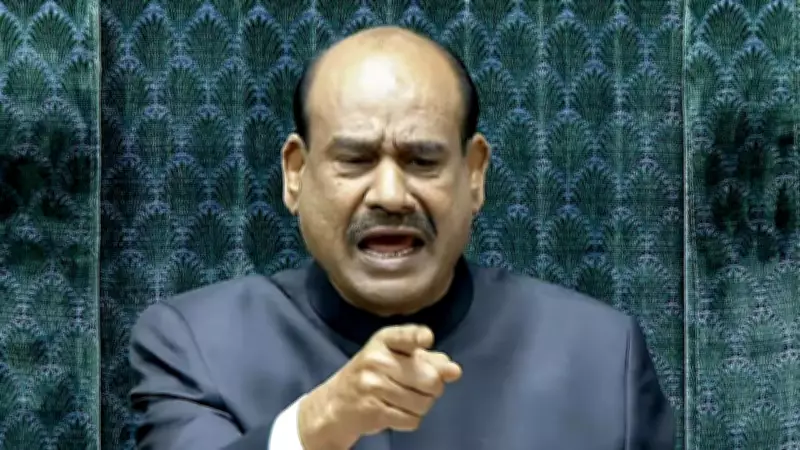
Opposition Escalates Conflict with Motion to Remove Lok Sabha Speaker Om Birla
In a dramatic escalation of parliamentary tensions, a united opposition front, with the notable exception of the Trinamool Congress, formally submitted a notice on Tuesday seeking the removal of Lok Sabha Speaker Om Birla from office. The move directly accuses Birla of "blatant partisanship" in his conduct of House proceedings, pushing the already strained government-opposition relationship to a critical juncture that casts serious doubt on future legislative cooperation.
Notice Submitted Citing Constitutional Provision
The removal notice was submitted under Article 94(c) of the Constitution to the Lok Sabha Secretary General by opposition leaders Gaurav Gogoi, K Suresh, and Mohammed Jawed on Tuesday afternoon. This action followed another day of adjournments triggered by the presiding officer's refusal to allow Leader of Opposition Rahul Gandhi to speak at the start of proceedings and again during zero hour.
The notice, bearing the signatures of 119 Members of Parliament, includes a draft resolution for discussion in the House. This resolution explicitly charges Speaker Birla with "openly espousing the version of the ruling party on all controversial matters" and acting in a consistently partisan manner throughout the ongoing budget session.

Immediate Fallout and Strategic Timing
In response to the no-confidence motion, Speaker Om Birla has decided to recuse himself from presiding over Lok Sabha proceedings until the resolution is formally settled. While parliamentary procedure would have allowed him to continue until the motion was actually moved in the House, his voluntary withdrawal represents a significant development.
Indications suggest that the motion against the Speaker will likely be taken up on March 9, when Parliament is scheduled to reconvene after the current recess. The swift submission of the notice—coming just one day after opposition leaders first floated the idea at a strategy meeting—demonstrates both a desire to claim the moral high ground and confidence in the numerical strength of the ruling NDA coalition to ultimately defeat the motion.
Catalyst: The Naravane Book Controversy
The immediate catalyst for this extreme step traces back to Speaker Birla's repeated objections to Rahul Gandhi citing from former Army Chief General M.M. Naravane's unpublished memoir during parliamentary debates. The government and Chair had insisted that Gandhi commit to not referencing the retired general's book before being allowed to speak, a condition the opposition refused to accept, leading to protests and legislative gridlock.
Opposition strategists convened specifically to brainstorm their response to what they perceive as the "government-Chair's repeated refusal" to permit Gandhi to speak without preconditions regarding the military memoir.
Broad Opposition Support with Notable Exceptions
The removal notice garnered signatures from across the opposition INDIA bloc, marking what observers note as an unprecedented alacrity of action not typically seen in the coalition's strategic maneuvers during the 18th Lok Sabha. Senior leaders including Akhilesh Yadav and Dharmendra Yadav (SP), T.R. Baalu (DMK), N.K. Premachandran (RSP), E.T. Mohd Basheer (IUML), Aga Syed Ruhullah Mehdi (NC), Nilesh Lanke (NCP), Misha Bharti (RJD), and several JMM members endorsed the motion.
Congress MPs K.C. Venugopal and Priyanka Gandhi Vadra were among the signatories, though notably, Rahul Gandhi as Leader of Opposition did not add his name to the petition. The Shiv Sena (UBT) missed the submission deadline due to a miscommunication about timing.
Trinamool Congress Advocates for Gradual Approach
The Trinamool Congress emerged as the sole dissenting voice within the opposition regarding the timing and strategy of the removal motion. Party leader Abhishek Banerjee publicly suggested that the opposition should exhaust all other available options before resorting to the extreme measure of a no-confidence motion against the Speaker.

Banerjee proposed that opposition parties first write a formal letter to the Speaker outlining their grievances, drawing a parallel to his party's approach regarding the impeachment of Chief Election Commissioner Gyanesh Kumar—a process Trinamool pursued only after exhausting judicial, regulatory, and direct communication channels. A Trinamool leader indicated the party would consider signing the notice if the opposition waited until Thursday, suggesting a more nuanced, graduated approach to the confrontation.
Catalog of Grievances Against the Speaker
The removal notice meticulously documents what opposition MPs characterize as a pattern of partisan conduct by Speaker Birla throughout the budget session. The listed grievances begin with the Chair's denial of permission for Rahul Gandhi to speak on February 2 regarding former Army Chief Naravane's book about the 2020 Chinese aggression during the motion of thanks debate.
Additional complaints cited in the notice include:
- Birla's remark—made a day after Prime Minister Narendra Modi did not appear for his scheduled response to the motion of thanks—suggesting that female Congress MPs posed a potential threat to the PM that could have resulted in an "unprecedented incident"
- The suspension of eight opposition MPs from House proceedings
- Permission granted to BJP MP Nishikant Dubey to make what the opposition describes as "wholly objectionable and personalized attacks" against two former prime ministers without any reprimand from the Chair
- The absence of disciplinary action against Dubey despite opposition demands for such measures
These incidents collectively form the evidentiary basis for the opposition's claim that Speaker Om Birla has systematically favored the ruling party in his decisions, fundamentally compromising the neutrality expected of the Lok Sabha's presiding officer and justifying the extraordinary step of seeking his removal from office.





