Opposition Launches Bid to Remove Lok Sabha Speaker Om Birla Amid Parliamentary Tensions
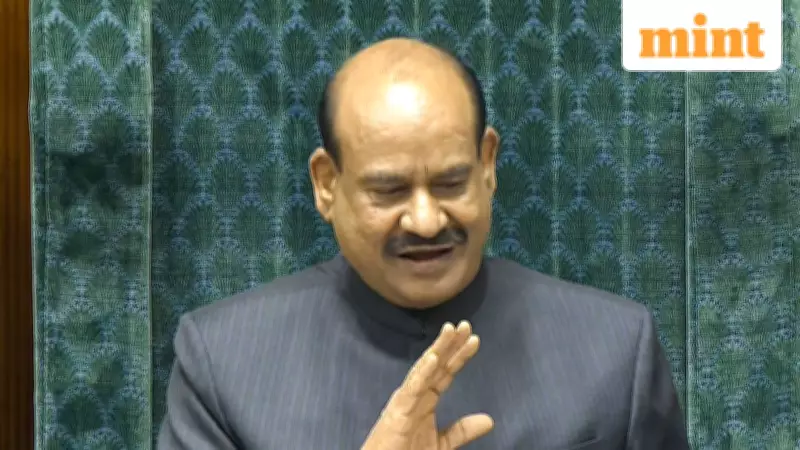
In a dramatic escalation of parliamentary discord, the Opposition alliance has formally decided to move a resolution seeking the removal of Lok Sabha Speaker Om Birla from his office. This unprecedented move stems from a series of contentious incidents during the ongoing Budget Session, highlighting a deepening rift between the ruling and opposition benches.
Grounds for the Removal Resolution
The resolution, to be moved under Article 94(C) of the Indian Constitution, cites multiple grounds for Speaker Om Birla's removal. Foremost among these is the disallowing of Leader of Opposition Rahul Gandhi from speaking during the Motion of Thanks to the President's address. This action has been labeled as a suppression of democratic dissent and a violation of parliamentary norms.
Additional charges include:

- Failure to initiate action against BJP MP Nishikant Dubey for alleged misconduct.
- Making unsubstantiated charges against women MPs of the Congress party, which the Opposition claims undermines the dignity of the House.
- Alleged bias in granting speaking privileges, with certain treasury bench MPs always favored.
- The manner in which eight opposition MPs were suspended for the entire session, seen as disproportionately harsh.
Political Consensus and Timing
The decision to pursue this resolution was solidified during a crucial meeting of Opposition leaders held on Monday morning in the chamber of Congress president Mallikarjun Kharge. The gathering saw broad participation, including representatives from the TMC, Left parties, DMK, SP, RJD, Shiv Sena (UBT), NCP (SP), and RSP, demonstrating a unified front against the Speaker's conduct.
According to parliamentary procedures, the motion requires a 20-day advance notice. Consequently, the Opposition plans to table it in the second part of the Budget Session. This strategic timing allows for formal documentation of grievances while adhering to constitutional mandates.
Constitutional Process for Speaker Removal
It is essential to clarify that the Speaker of the Lok Sabha cannot be 'impeached' in the traditional sense. Instead, Article 94(C) provides for removal via a resolution passed by a majority of all members of the House. This process is distinct from impeachment proceedings applicable to figures like the President or higher judiciary judges.
For the resolution to proceed, it must garner the signatures of 100 MPs in the Lok Sabha. If adopted, the Speaker is removed immediately, necessitating the election of a new presiding officer. However, if the motion fails, the Speaker continues in office, as has historically been the case.
Historical Context and Symbolic Significance
No Lok Sabha Speaker has ever been removed from office in India's parliamentary history. This fact underscores the resolution's likely symbolic nature, aimed at highlighting perceived biases and procedural injustices rather than achieving actual removal. The move mirrors recent Opposition actions, such as the attempted resolution against Vice President Jagdeep Dhankhar in August 2024, which was rejected on technical grounds.
The Rajya Sabha Chairperson's removal, governed by Article 67(b), requires a 14-day notice and an effective majority in the Upper House, followed by Lok Sabha agreement—a more complex process than that for the Lok Sabha Speaker.

Key Takeaways from the Development
- The resolution reflects escalating tensions and a breakdown in parliamentary decorum between the government and opposition.
- Article 94(C) outlines a clear, albeit rarely used, mechanism for Speaker removal, differing from impeachment.
- Given historical precedent, the motion is primarily symbolic, serving to formally record allegations of partiality against Speaker Om Birla.
- This action sets a significant political tone for the remainder of the Budget Session, potentially influencing future parliamentary interactions.
As the Budget Session progresses, all eyes will be on the Lok Sabha to see how this constitutional confrontation unfolds, with implications for India's democratic processes and inter-party relations.