

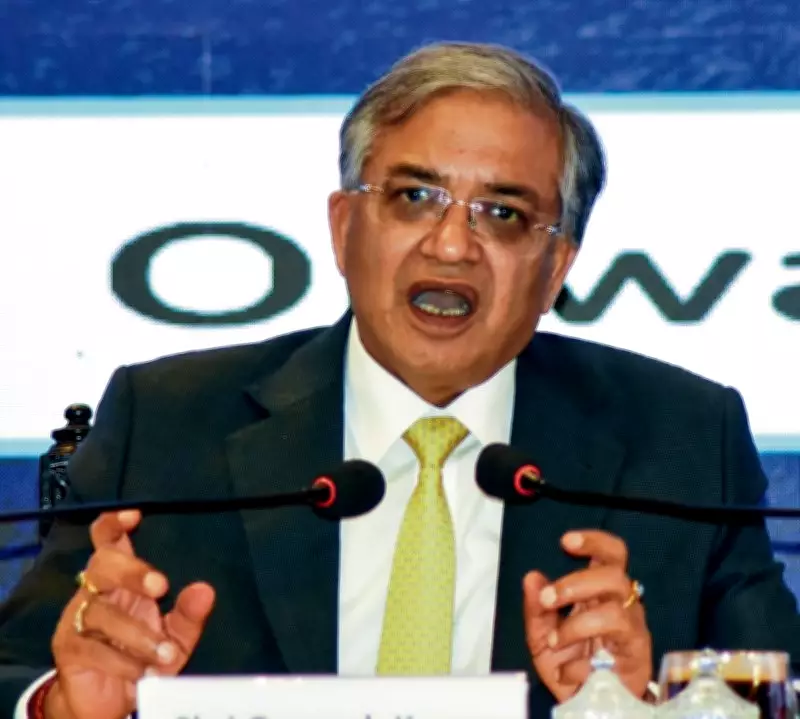
Opposition Parties Gear Up for Fresh Notice to Oust Chief Election Commissioner Gyanesh Kumar
In a significant political development, opposition parties in India are actively preparing to submit a fresh notice aimed at the removal of Chief Election Commissioner (CEC) Gyanesh Kumar. This move underscores escalating tensions and deep-seated concerns regarding the conduct and impartiality of the Election Commission under his leadership. The planned action reflects a concerted effort by opposition factions to hold the election body accountable amidst ongoing electoral processes and governance debates.
Background and Rationale Behind the Notice
The decision to pursue a new notice stems from allegations that CEC Gyanesh Kumar has failed to uphold the neutrality and fairness expected of the Election Commission. Opposition leaders have voiced criticisms over various aspects of election management, including voter registration issues, handling of electoral disputes, and perceived biases in decision-making. These concerns have fueled calls for his removal, with parties arguing that such steps are necessary to restore public trust in the electoral system.
Key points driving this initiative include:

- Allegations of partiality in the administration of elections, particularly in sensitive regions.
- Disputes over the implementation of electoral laws and guidelines, which opposition members claim have been inconsistently applied.
- Concerns about transparency and accountability within the Election Commission's operations under Kumar's tenure.
Political Implications and Reactions
This move by the opposition is poised to intensify political confrontations, especially as it comes at a time when electoral activities are in full swing. The notice, if submitted, could trigger parliamentary discussions and legal proceedings, potentially impacting the upcoming election schedule and governance dynamics. Supporters of CEC Gyanesh Kumar, however, defend his record, emphasizing his adherence to constitutional mandates and efforts to modernize the election process.
Reactions from various political quarters have been mixed:
- Opposition parties are rallying support, citing the need for an unbiased election overseer to ensure democratic integrity.
- Government allies and some independent observers caution against politicizing the Election Commission, warning that such actions might undermine institutional stability.
- Legal experts highlight the procedural challenges involved in removing a CEC, noting that it requires substantial evidence and parliamentary consensus.
Next Steps and Broader Context
The opposition's plan involves drafting a detailed notice that outlines specific grievances and legal grounds for Kumar's removal. This document is expected to be presented to relevant authorities, including the President and Parliament, in the coming weeks. The broader context of this development ties into ongoing debates about electoral reforms and the independence of constitutional bodies in India.
As the situation unfolds, it will be crucial to monitor how this affects public perception and the operational efficiency of the Election Commission. The outcome could set precedents for future interactions between political entities and election authorities, shaping the landscape of Indian democracy.






