

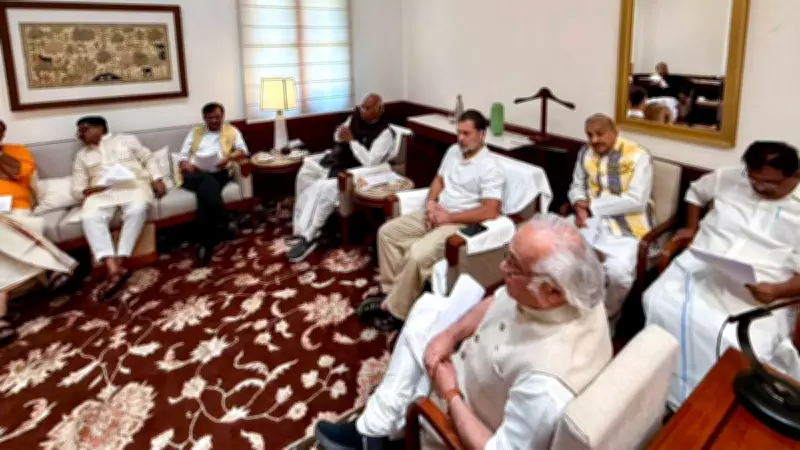
Opposition Coalition to Petition PM Modi for 2026 Women's Quota Bill Implementation
In a significant political development, opposition parties in India are preparing to formally write to Prime Minister Narendra Modi, seeking the immediate implementation of the Women's Reservation Bill by the year 2026. This move comes after the coalition faced a notable setback in the Lok Sabha, where their efforts to advance the legislation encountered obstacles. The opposition's strategy now focuses on direct communication with the Prime Minister to push for the enactment of the old version of the bill, which aims to reserve seats for women in legislative bodies.
Background and Setback in Lok Sabha
The Women's Quota Bill, a long-pending proposal to allocate 33% of seats in Parliament and state assemblies for women, has been a contentious issue in Indian politics. Recently, opposition parties attempted to revive and pass this bill in the Lok Sabha, but their initiative was met with resistance, leading to a procedural defeat. This setback has galvanized the opposition to adopt a new approach, emphasizing a written appeal to the highest office in the country.
The opposition's letter is expected to highlight the urgent need for gender parity in political representation, arguing that delaying the bill's implementation undermines democratic principles and women's rights. By targeting 2026 as the implementation deadline, they aim to set a clear timeline for action, potentially aligning with upcoming electoral cycles.

Key Demands and Political Implications
The opposition's communication to PM Modi will likely outline several key demands, including:
- Immediate reintroduction of the old Women's Reservation Bill in Parliament.
- Expedited parliamentary procedures to ensure passage without further delays.
- Concrete steps for implementation by 2026, including necessary constitutional amendments.
- Transparency in the government's stance on women's political empowerment.
This move is seen as a strategic effort to pressure the ruling government on a socially significant issue, especially ahead of potential elections. It also reflects broader political dynamics, with opposition parties leveraging women's rights as a unifying theme to challenge the current administration.
Potential Outcomes and Public Response
If the opposition's letter gains traction, it could reignite public debate on women's representation in politics. Supporters of the bill argue that it is essential for inclusive governance and addressing gender disparities. However, critics may raise concerns about practical challenges, such as delimitation of constituencies and political consensus.
The outcome of this initiative will depend on the government's response and whether it leads to renewed parliamentary discussions. Observers note that this could become a pivotal issue in Indian politics, influencing voter sentiment and party strategies in the coming years.
In summary, the opposition's plan to write to PM Modi marks a critical juncture in the push for the Women's Quota Bill. By seeking implementation by 2026, they aim to turn a legislative setback into a proactive campaign for gender equality in India's democratic framework.






