

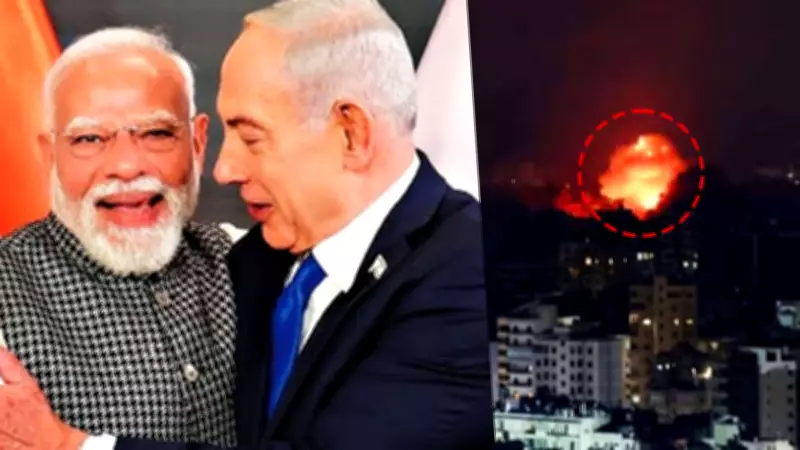
Opposition Condemns PM Modi's Israel Visit Following US-Israel Military Action Against Iran
Prime Minister Narendra Modi's diplomatic mission to Israel has ignited a political firestorm in India, with opposition leaders launching scathing attacks on what they term "moral cowardice" in foreign policy. The controversy erupted just 48 hours after Modi concluded his state visit, during which he addressed the Israeli Knesset and reaffirmed India's support for the nation.
Timing of Military Strikes Sparks Political Backlash
The United States and Israel launched coordinated missile and airstrikes against Iranian targets shortly after Modi's departure, creating what opposition figures describe as a diplomatic embarrassment for India. The military action has raised serious questions about the timing and implications of Modi's high-profile visit to the region.
Congress leader Jairam Ramesh delivered the most biting criticism, characterizing the Prime Minister's Israel trip as an act of "highest moral cowardice." Ramesh argued that the visit positioned India uncomfortably close to military actions that could destabilize the Middle East further.

Opposition Leaders Voice Multiple Concerns
Rahul Gandhi of the Congress party emphasized the practical implications for Indian citizens abroad, urging the government to prioritize the safety of Indian nationals living and working throughout the Middle East. His statement highlighted growing anxiety about potential regional escalation affecting the substantial Indian diaspora.
Asaduddin Owaisi, president of the All India Majlis-e-Ittehadul Muslimeen, raised pointed questions about India's traditional foreign policy balance. Owaisi questioned whether Modi's visit compromised India's longstanding position of impartiality in Middle Eastern conflicts and whether it signaled a strategic shift in diplomatic alignment.
Broader Implications for India's Foreign Policy
The controversy extends beyond immediate political sparring to touch on fundamental questions about India's global positioning. Critics argue that the timing of the military strikes immediately following Modi's visit creates the perception that India either had advance knowledge of the operations or failed to anticipate regional developments adequately.
Supporters of the government maintain that Modi's visit represented important bilateral diplomacy separate from subsequent military actions by other nations. They emphasize India's right to pursue independent foreign relations while maintaining strategic autonomy in international affairs.
Regional Stability and Indian Interests
The situation highlights the delicate balance India must maintain in the volatile Middle East, where it has significant energy interests, substantial expatriate communities, and complex diplomatic relationships with multiple regional powers. The opposition's criticism reflects broader concerns about how India's foreign policy decisions might affect these multifaceted interests.
As tensions continue in the region, the political debate in India is likely to intensify, with opposition parties promising to keep pressure on the government regarding its Middle East policy and the perceived implications of Modi's Israel visit for India's international standing and domestic security concerns.






