Opposition to Convene Crucial Meeting on Women's Reservation Law Amendments
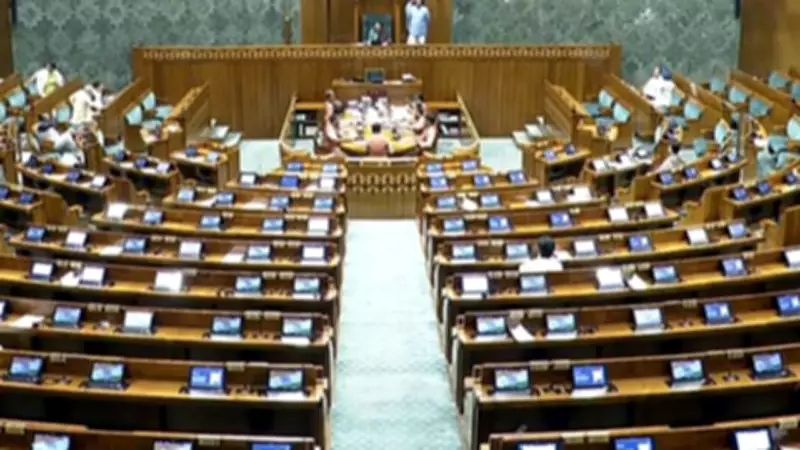
In a significant political development, opposition parties have scheduled a crucial meeting for April 15 to forge a unified stance against the government's proposed amendments to the women's reservation law. This gathering comes as the Congress Working Committee (CWC) finalized a joint strategy on Friday for the upcoming "special session" of Parliament, scheduled from April 16 to 18.
Congress Working Committee Takes Strong Position
The CWC meeting struck a strident note, vehemently opposing the government's move to delink Census 2026 and delimitation from the women's quota measure. The committee accused the ruling Bharatiya Janata Party (BJP) of attempting to sabotage the "caste census" initiative. Furthermore, they alleged that the timing of the Parliament session was a deliberate ploy to influence the ongoing election campaigns in Tamil Nadu and West Bengal.
It is anticipated that the opposition may introduce amendments to counter the government's proposal during the special session.

Key Criticisms and Internal Discussions
The CWC strongly criticized the government for failing to share its proposed amendments with opposition parties a week before the special sitting, calling it a breach of parliamentary decorum. Senior Congress leaders, including Mallikarjun Kharge, Rahul Gandhi, and Priyanka Gandhi Vadra, accused the government of "playing politics" with a critical constitutional issue.
Internal discussions within the CWC revealed nuanced perspectives:
- Sachin Pilot argued that basing delimitation on Census 2026 would facilitate the creation of a sub-quota for Other Backward Classes (OBC) women, ensuring more inclusive representation.
- Manish Tewari and Mukul Wasnik contended that the government cannot fix the strength of the Lok Sabha and state assemblies and then subsequently call for delimitation, highlighting procedural inconsistencies.
- Several members emphasized that while Congress supports women's reservation in principle, the constitutional process must follow the proper sequence: census first, followed by delimitation, and then the implementation of quotas for Scheduled Castes, Scheduled Tribes, and women.
Former Congress president Sonia Gandhi reportedly cautioned the party to avoid being perceived as opposing women's reservation altogether, urging a balanced approach that focuses on procedural correctness rather than outright rejection.
Broader Political Implications
This meeting underscores the deepening political rift over the women's reservation law, with the opposition seeking to present a cohesive front against what they view as the government's unilateral and politically motivated amendments. The outcome of the April 15 meeting could significantly influence the parliamentary debates during the special session, potentially shaping the future of gender representation in Indian politics.