

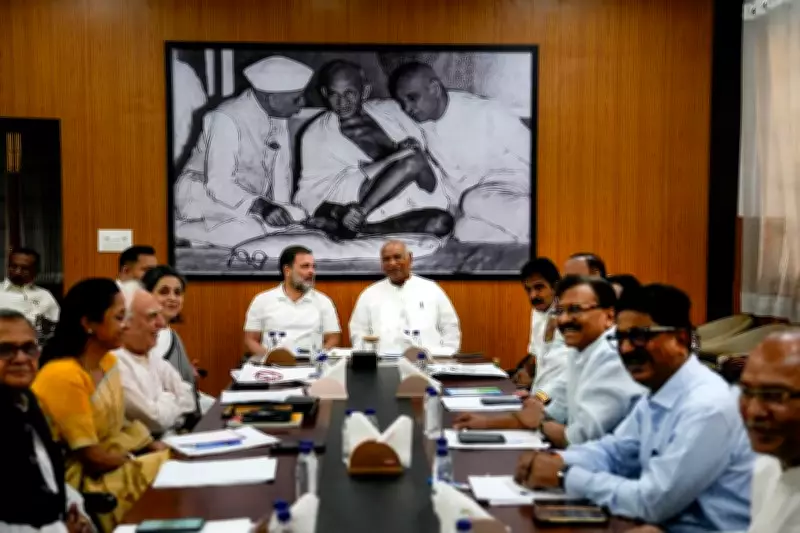
Opposition Unity Gains Momentum: A Ray of Hope Emerges
In a notable shift within the Indian political arena, opposition parties are demonstrating renewed efforts towards unity, sparking optimism among their supporters and analysts alike. This development comes at a crucial juncture, as the nation prepares for upcoming electoral battles that could redefine the balance of power.
Historical Context and Current Efforts
The concept of opposition unity has long been a topic of discussion in Indian politics, often marred by ideological differences and personal ambitions. However, recent meetings and dialogues among key leaders suggest a more concerted push to forge a cohesive front. This initiative aims to present a viable alternative to the ruling coalition, addressing voter concerns over governance and policy direction.
Sources indicate that several regional and national parties have engaged in behind-the-scenes negotiations, focusing on common agendas such as economic reforms, social justice, and federalism. The emphasis is on building a broad-based alliance that can effectively challenge the incumbent government in both parliamentary and state elections.

Challenges and Opportunities
Despite the positive momentum, significant hurdles remain. Ideological diversity among opposition groups poses a challenge to crafting a unified platform. For instance, parties with varying stances on issues like secularism, economic policies, and foreign relations must find common ground to avoid internal conflicts.
Moreover, leadership dynamics and seat-sharing arrangements in elections are critical factors that could make or break this unity. Past attempts have often faltered due to disagreements over these aspects, leading to fragmented opposition and electoral setbacks.
On the flip side, the current political climate offers unique opportunities. Public dissatisfaction with certain government policies has created an opening for opposition parties to rally support. By highlighting issues like unemployment, inflation, and social welfare, they can appeal to a broader electorate and galvanize their base.
Potential Impact on Indian Democracy
If successful, opposition unity could lead to a more competitive political landscape, fostering healthy debate and accountability. It may encourage policy innovation and responsiveness from all sides, ultimately benefiting citizens through improved governance.
Analysts suggest that a united opposition could alter election outcomes in key states and at the national level, potentially leading to coalition governments or shifts in parliamentary majorities. This scenario underscores the importance of strategic alliances in a diverse democracy like India.
Looking Ahead
The road to opposition unity is fraught with challenges, but the current efforts represent a ray of hope for those advocating for a stronger checks-and-balances system. As parties continue their dialogues, the coming months will be crucial in determining whether this unity translates into a sustainable political force.
Observers are closely watching for concrete steps, such as joint rallies, common manifestos, and coordinated campaigns, which could signal a genuine commitment to this cause. The outcome will not only shape the immediate political future but also influence the long-term trajectory of Indian democracy.






