

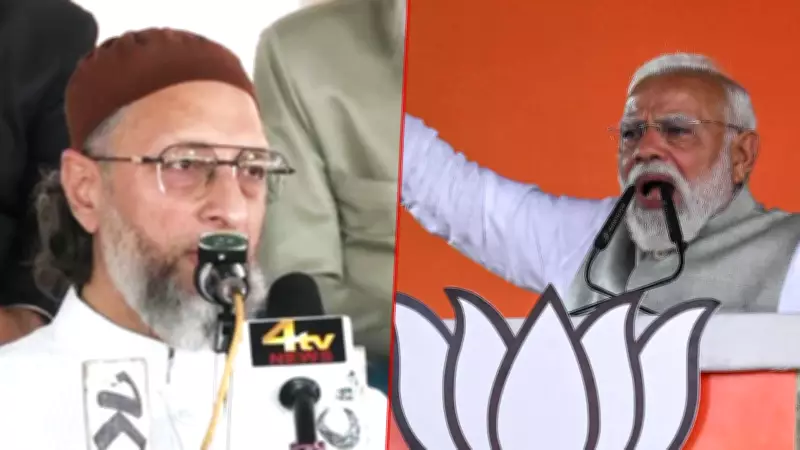
Asaduddin Owaisi Slams PM Modi Over Iran War, Claims India Lost Neutral Voice in Global Peace Efforts
In a sharp political critique, Asaduddin Owaisi has launched a direct attack on Prime Minister Narendra Modi regarding India's stance on the Iran war, arguing that the country has weakened its global credibility by failing to maintain neutrality in the escalating conflict. The remarks have ignited a fresh political storm in India, with Owaisi warning that the war could destabilize the wider region and impact millions of Indians living in Gulf countries.
India's Global Credibility at Stake
Owaisi contended that India's decision not to stay neutral in the conflict involving figures like Donald Trump and Benjamin Netanyahu has compromised its voice in international peace efforts. He emphasized that this shift away from neutrality undermines India's long-standing role as a mediator and advocate for global stability, potentially eroding trust among other nations.
Regional Tensions and Diaspora Concerns
The war in Iran poses significant risks, according to Owaisi, including the potential to destabilize the broader Middle East region. He highlighted the safety of the Indian diaspora in Gulf countries as a critical issue, with millions of expatriates facing uncertainty due to the geopolitical turmoil. Additionally, he criticized Pakistan's role in the situation, adding another layer to the complex narrative of regional tensions.

Energy Security and Strategic Balancing
With energy security hanging in the balance, Owaisi's comments have sparked a wider conversation on whether India should prioritize a moral stand or continue its strategic balancing act in the rapidly escalating crisis. The debate centers on the trade-offs between diplomatic neutrality and pragmatic alliances, as India navigates its interests in a volatile global landscape.
Owaisi's remarks underscore the high stakes involved, from protecting Indian citizens abroad to securing vital energy resources, all while maintaining India's influence on the world stage. This political clash reflects deeper questions about India's foreign policy direction in times of international conflict.






