The Unending Night: A Mother's Sweater and a Father's Daily Ritual
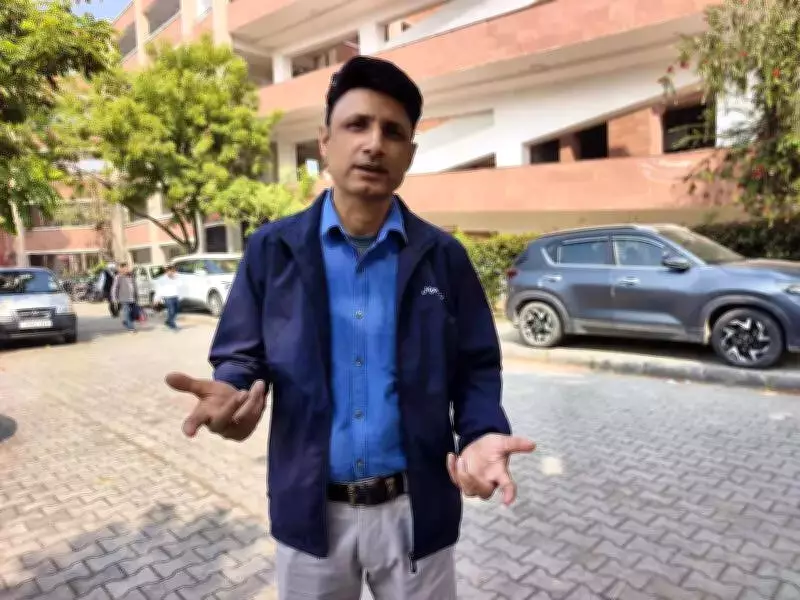
"Ohde kol Aditya da sweater hai ik, jo ohne kade nai chadheya.. raat nu uthke ro paindi ae," Parveen Thakur begins, his voice trembling with emotion. The sentence remains unfinished, swallowed by silence and muffled sobs that speak volumes about the grief that has consumed his family since their son's murder.
A Journey Through Legal Labyrinths
On Friday, Parveen Thakur traveled back from Chandigarh after attending yet another hearing at the Chandigarh district court in Sector 43. This marked approximately the fourth time he has made this painful journey since his 21-year-old son Aditya was killed last year on the Panjab University campus. Each trip follows the same heartbreaking pattern—courtrooms filled with legal formalities, endless waiting periods, and the long road back to a house that has lost its soul.
The routine has become a cruel ritual: legal proceedings that offer little comfort, followed by returns to a home where absence has become the most present family member.

Collapsing Health and Shattered Spirits
Aditya's mother, who had managed a kidney disorder for years with remarkable strength and discipline, has seen both her spirit and health collapse since the tragedy. "Doctors tareef karde si jiddan oh avde aap nu saambhdi si," Parveen recalls with painful nostalgia. Now, she stands on the brink of dialysis, with blood pressure fluctuations and thyroid complications adding to her suffering. The family recently faced another hospital visit, a stark reminder of how grief manifests physically.
The nights present the greatest challenge. "She wakes up and starts crying," Parveen explains, struggling to maintain composure. The sweater—Aditya's sweater—remains constantly in her arms, a tangible connection to the son she has lost.
A Father's Sleepless Vigil
Parveen's own health has deteriorated significantly. "Ik din vi neend nai ayi mainu kade mere putt de jaan ton baad," he confesses. Even sleeping pills have lost their effectiveness against the relentless memories and suffocating silence that fill his nights. The darkness stretches endlessly, punctuated only by thoughts of what might have been.
Since this correspondent first contacted him last year, one ritual has remained constant: every single day without exception, Aditya's photograph appears on his father's WhatsApp status. Sometimes it's a childhood image—little Aditya standing proudly beside his father. Other times, it shows a teenage Aditya wearing sunglasses and posing confidently. The images change, but the daily tribute remains unwavering.
A Family's Fragmented Existence
"Hor kujh tan bacheya nai mere kol. Ik dooje ton luk luk ke rone aen asin ghare," Parveen reveals about their household dynamic. The family members hide their tears from one another, creating isolated pockets of grief within their own home.
For Aditya's younger sister, every aspect of life serves as a reminder of their loss. An engineering student himself, Aditya had wanted his sister to pursue non-medical studies and follow him into engineering. Now, as she prepares for her Class X board examinations, she faces this crucial academic milestone without her brother's guidance. "She is still in shock and remains confused," her father acknowledges, highlighting how tragedy disrupts even the most fundamental family roles.
Turning Compensation Into Legacy
Following the murder, Panjab University announced financial compensation for the family. Parveen confirms they received the amount but made a collective decision not to use it for personal needs. Instead, they have channeled their son's memory into community service.
A portion has already been donated to improve water supply at a nearby temple. The remainder will fund similar charitable causes, all carried out in Aditya's name—transforming tragedy into tangible community benefit.
The Long Road Ahead
Legal proceedings will continue, meaning more journeys to Chandigarh, more hearings, and more waiting. But within the walls of the Thakur household, grief operates on its own relentless schedule. It arrives every night without fail, unconcerned with court dates or legal timelines.

And when it comes—as it inevitably does—a mother holds tightly to a sweater that still carries her son's essence, crying until exhaustion claims her. Meanwhile, a father prepares another WhatsApp tribute, maintaining the daily ritual that has become his only remaining connection to the son he loved so deeply.