









Politics

KTR Urges Youth to Become Job Creators, Highlights AI's Impact at Columbia University
BRS working president KT Rama Rao encouraged Indian youth to embrace entrepreneurship over job-seeking at Columbia University. He discussed Hyderabad's startup success, AI's threat to jobs, and the need for skill upgrades.





World

US Military Spending in Iran Conflict Hits $42 Billion in 37 Days, Averaging $1 Billion Daily
The US military expenditure in the Iran conflict has reached over $42 billion in just 37 days, with daily costs now averaging nearly $1 billion. The war began with US-Israeli strikes on February 28 and has escalated into a regional confrontation.



Entertainment

Vignesh Shivan Reveals Fallout with Dhanush, Calls Lost Friendship His Biggest Regret
Filmmaker Vignesh Shivan emotionally discusses his fallout with actor Dhanush, labeling the loss of their friendship as his biggest regret amid controversy involving Nayanthara.



Business

Jazeera Airways Launches 24 Special Flights from Trichy to Dammam for Repatriation
Kuwait's Jazeera Airways will operate 24 non-scheduled flights between Trichy and Dammam from April 7 to May 1 to repatriate Indians stranded in Middle East due to conflicts. This makes it the fifth foreign carrier at Trichy airport.



Sports




Lifestyle




Technology

Vizag Loses Rs 28 Crore to Cyber Fraud in Q1 2026
Residents of Visakhapatnam lost approximately Rs 28 crore to cyber frauds in the first three months of 2026. Investment scams and digital arrest frauds accounted for over 70% of the total financial damage, with police highlighting greed and fear as primar

Apple's Strategy to Keep iPhone 18 Prices Stable Amid Rising Costs
Apple is reportedly using its financial strength to absorb higher memory costs for the iPhone 18 series, aiming to avoid price hikes and secure market share amid global supply chain pressures.

Samsung Galaxy A37 5G and A57 Launch in India
Samsung introduces the Galaxy A37 5G and A57 smartphones in India, featuring AI enhancements, durable designs, and long-term software support for mid-range users.
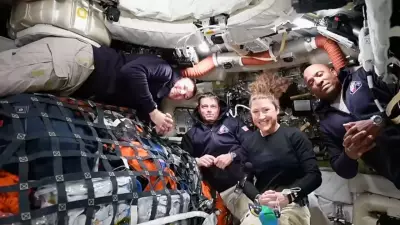
Artemis 2 Astronauts Complete Historic Moon Flyby Mission
NASA's Artemis 2 astronauts successfully completed a historic moon flyby, becoming the first humans to visit lunar orbit since Apollo 17 in 1972. The crew observed rare lunar features and witnessed a solar eclipse from beyond the moon.

Bengaluru Man Loses Rs 50,000 in ATM Scam for Mother's Treatment
A 26-year-old man in Bengaluru was cheated of Rs 50,000 by a stranger at an ATM who used a fake transaction screenshot to steal money meant for his mother's medical treatment.
