

Special Parliament Session Commences with Historic Women's Quota Legislation
The Indian Parliament has convened for a crucial three-day special session from April 16 to 18, marking a pivotal moment in the nation's legislative history. At the forefront of discussions is the implementation of the landmark Nari Shakti Vandan Adhiniyam, 2023, which guarantees 33 percent reservation for women in both the Lok Sabha and state legislative assemblies.
Constitutional Amendments and Lok Sabha Expansion
The government is introducing the Constitution (131st Amendment) Bill, 2026, alongside the Delimitation Bill and amendments concerning Union Territories. One of the most significant proposals involves expanding the Lok Sabha's strength from the current 543 seats to a maximum of 850 seats. This expansion includes a cap of 815 seats for states and up to 35 seats for Union Territories.
This substantial increase aims to accommodate women's reservation without diminishing existing representation, ensuring that the addition of reserved seats doesn't come at the expense of current constituencies.

Redefining Population Basis for Delimitation
Another critical amendment concerns how population is defined for the delimitation process. The proposed changes would grant Parliament the authority to determine which census data serves as the basis for redrawing electoral constituencies. This effectively removes the previous requirement that tied delimitation to the completion of a specific census, such as the 2027 Census.
This flexibility in implementation timelines could potentially accelerate the operationalization of women's reservation, possibly making it effective from the 2029 general elections.
Political Reactions and Opposition Concerns
The proposals have ignited intense political debate across party lines. While opposition parties generally support the principle of women's reservation, they have expressed strong reservations about the delimitation framework.
- Congress leaders have criticized the proposal as "gerrymandering" and warned that ignoring caste census data could weaken representation for marginalized communities including OBCs, Dalits, and Adivasis
- KC Venugopal of Congress termed the delimitation amendment an "anti-national act" that threatens India's federal structure
- Opposition parties argue that population-based seat redistribution could disproportionately benefit states with higher population growth, potentially reducing the political voice of southern, northeastern, and smaller states that have successfully controlled population growth
Government's Position and Assurances
The government has maintained that the process will be consultative and transparent. Key assurances include:
- No state will experience a reduction in parliamentary seats
- The Delimitation Commission will engage with all political stakeholders before finalizing boundaries
- The expansion represents maximum limits rather than fixed allocations
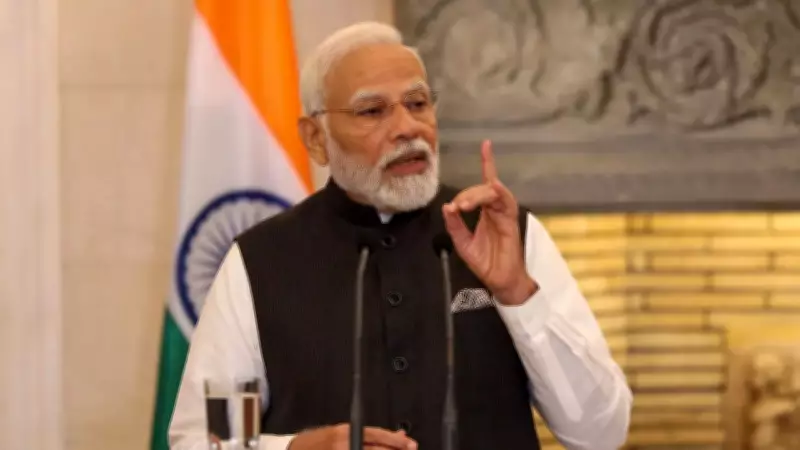
Prime Minister Narendra Modi emphasized the session's significance, stating, "The respect for our mothers and sisters is the respect for the nation, and with this very sentiment, we are moving forward resolutely in this direction."
Procedural Complexities and Political Dynamics
With multiple bills interlinked and procedural rules potentially being suspended to facilitate their passage, the session presents both procedural complexity and political intensity. Opposition floor leaders have convened to finalize their strategy ahead of the crucial debates.
Finance Minister Nirmala Sitharaman sought to allay concerns, questioning why there should be fear when the Delimitation Commission will consult all parties. Meanwhile, BJP leader Anurag Thakur accused the opposition of politicizing what should be a unanimous reform, highlighting that women's reservation has been a long-pending demand.
The outcome of this special session could have far-reaching implications, not only for gender representation in Indian politics but also for the balance of political power across states and the fundamental structure of India's federal democracy.






