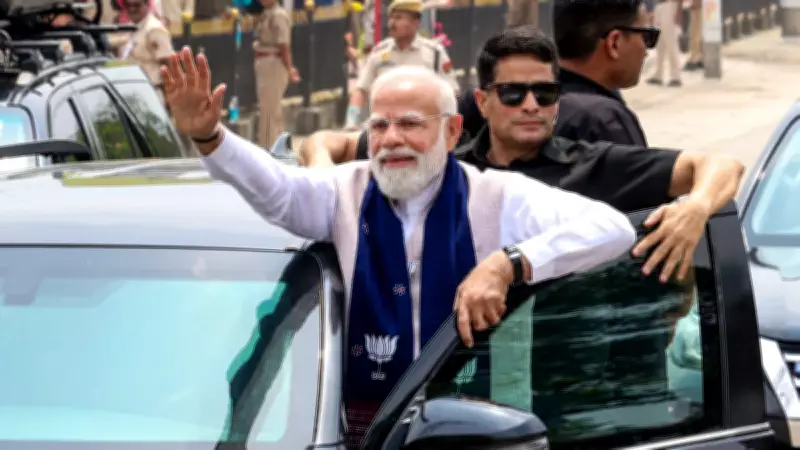
PM Modi Advocates for Strengthening Women's Reservation Act
Prime Minister Narendra Modi has made a compelling appeal to the nation, urging unified support for proposed amendments to the Women's Reservation Act. In a significant address, he emphasized the critical role of empowering Nari Shakti (women's power) in shaping India's democratic future. The Prime Minister highlighted that these amendments are designed to enhance women's participation in political processes, aligning with the government's broader vision of inclusive governance.
Call for Collective Action
Modi stressed the importance of a collaborative effort, stating, "Together, let us empower our Nari Shakti." He pointed out that the current provisions of the Women's Reservation Act, while a step forward, require further refinement to address emerging challenges and ensure more effective representation. The proposed changes aim to create a more robust framework that facilitates greater involvement of women in decision-making bodies at various levels of government.
Key Objectives of the Amendments
The amendments focus on several key areas to bolster women's political empowerment:

- Increasing the quota for women in legislative bodies to ensure proportional representation.
- Implementing mechanisms to support women candidates in elections, including training and resource allocation.
- Enhancing transparency and accountability in the reservation process to prevent misuse and promote fairness.
- Encouraging grassroots participation by women in local governance structures.
These measures are part of a comprehensive strategy to bridge gender gaps in politics and foster a more equitable society. Modi underscored that empowering women is not just a social imperative but also an economic and developmental necessity for India's progress.
Broader Implications for Governance
The push for amending the Women's Reservation Act reflects the government's commitment to gender equality and women's rights. By advocating for these changes, Modi aims to create a more inclusive political environment where women can contribute effectively to policy-making and nation-building. This initiative is expected to have far-reaching impacts on governance, potentially leading to more diverse perspectives and innovative solutions to national issues.
As the debate around these amendments gains momentum, stakeholders from across the political spectrum are being called upon to support this cause. The Prime Minister's appeal resonates with ongoing efforts to strengthen democratic institutions and promote social justice in India.