PM Modi Demands Immediate Implementation of Women's Reservation Bill
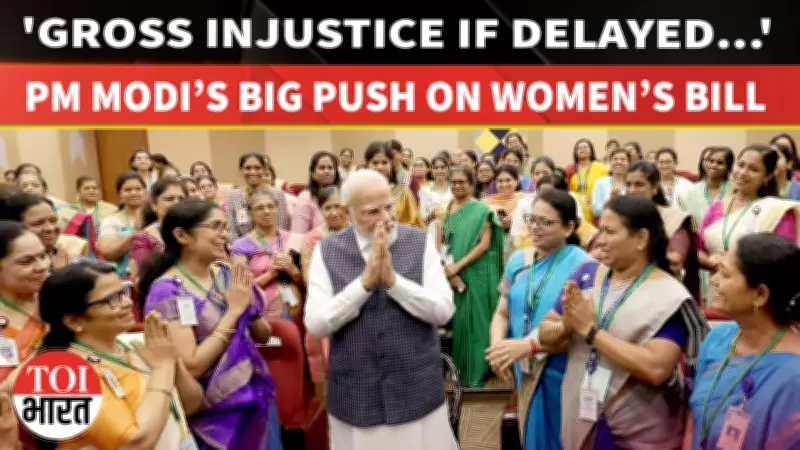
Prime Minister Narendra Modi has issued a strong appeal for the swift enactment of the Women's Reservation Bill, emphasizing that any further delay would constitute a "gross injustice" to women across India. In a recent statement, he underscored the urgency of moving forward with this landmark legislation, which has been a long-standing demand for gender equality in political representation.
Timeline Concerns and Implementation Hurdles
The Nari Shakti Vandan Adhiniyam, as the bill is formally known, promises to reserve 33% of seats for women in both the Lok Sabha and state legislative assemblies. However, its implementation is contingent on two critical processes: the completion of a new Census and subsequent delimitation of constituencies. These procedural requirements are expected to push the effective rollout of the reservation to at least 2029, raising concerns about prolonged waiting periods.
PM Modi highlighted that while the bill has been passed, the delay in these preparatory steps could undermine its intended impact. He stressed that the government and relevant authorities must expedite these processes to ensure that women can benefit from the reservation as soon as possible. The Prime Minister's remarks come amid renewed public and political focus on the issue, with many advocacy groups calling for faster action.

Why the Women's Reservation Bill Is Back in Focus
The Women's Reservation Bill has regained prominence due to several factors. Firstly, there is growing pressure from women's rights organizations and civil society for tangible progress on gender parity in politics. Secondly, the upcoming electoral cycles have intensified discussions on inclusive representation. Thirdly, PM Modi's vocal support has reignited debates in Parliament and among policymakers about prioritizing this legislation.
Experts note that the bill's success hinges on overcoming logistical challenges, such as ensuring accurate demographic data through the Census and fair constituency redrawing via delimitation. These steps are essential to avoid legal disputes and ensure the reservation is implemented smoothly and effectively.
Broader Implications for Indian Democracy
The implementation of the Women's Reservation Bill is seen as a transformative step for Indian democracy, potentially increasing women's participation in decision-making processes and addressing gender disparities in political leadership. PM Modi's call for backing emphasizes the government's commitment to this cause, but also signals the need for bipartisan cooperation to navigate the complexities involved.
As the timeline extends to 2029, stakeholders are urged to maintain momentum and avoid complacency. The Prime Minister's warning against delay serves as a reminder of the high stakes involved, with the potential to reshape India's political landscape for generations to come.