PM Modi Alleges Collusion Between TMC and Congress to Block Women's Quota Bill
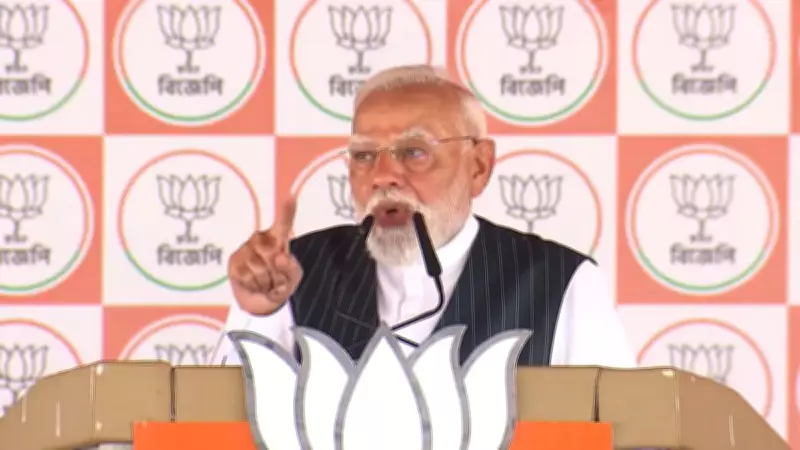
Prime Minister Narendra Modi has launched a scathing attack on the Trinamool Congress (TMC) and the Indian National Congress, accusing them of colluding to obstruct the passage of the historic Women's Reservation Bill. In a recent address, Modi claimed that these political parties worked together to prevent the legislation, which aims to reserve one-third of seats in the Lok Sabha and state legislative assemblies for women, from being implemented.
Urging Voters to Punish 'Maha Jungle Raj' in West Bengal
During his speech, Prime Minister Modi specifically targeted the political landscape in West Bengal, urging the people of the state to punish what he described as 'Maha Jungle Raj'—a term implying lawlessness and corruption under the current TMC-led administration. He emphasized that the alleged collusion between TMC and Congress is a betrayal of women's empowerment and democratic principles.
Modi stated, "The TMC and Congress joined hands to stop the Women's Quota Bill, showing their true colors against the progress of women in India. It is time for the people of West Bengal to reject this 'Maha Jungle Raj' and support a government that truly works for development and equality."

Background on the Women's Reservation Bill
The Women's Reservation Bill, officially known as the Constitution (108th Amendment) Bill, has been a long-pending legislative proposal aimed at enhancing female representation in Indian politics. Despite bipartisan support in principle, its passage has faced numerous hurdles over the years, with debates often stalling in Parliament.
Key points about the bill include:
- It proposes to reserve 33% of seats in the Lok Sabha and state legislative assemblies for women.
- The reservation would be implemented through a rotation system, ensuring diverse representation across constituencies.
- Supporters argue it will empower women and address gender disparities in political participation.
Political Reactions and Implications
Prime Minister Modi's allegations have sparked a heated political debate, with TMC and Congress leaders denying any collusion. Critics from these parties have countered that the BJP-led central government has not prioritized the bill's passage, pointing to delays in legislative processes.
The timing of Modi's remarks is significant, as they come amid ongoing political tensions in West Bengal, where the BJP is striving to gain ground against the dominant TMC. By framing the issue around women's rights and governance, Modi aims to galvanize voter support ahead of future elections.
Analysts suggest that this controversy could influence electoral dynamics in West Bengal, potentially swaying public opinion against TMC and Congress if voters perceive them as obstructing women's empowerment. The call to punish 'Maha Jungle Raj' resonates with broader narratives of anti-incumbency and demands for transparent governance.
Looking Ahead: Impact on Women's Representation
If the Women's Reservation Bill is eventually passed, it could transform Indian politics by significantly increasing female participation. However, the current political stalemate highlights the challenges in achieving consensus on such transformative legislation.
Prime Minister Modi's appeal to the electorate underscores the BJP's strategy to position itself as a champion of women's issues, while painting opponents as regressive. As the debate unfolds, it remains to be seen how this will affect political alliances and voter behavior in West Bengal and beyond.