

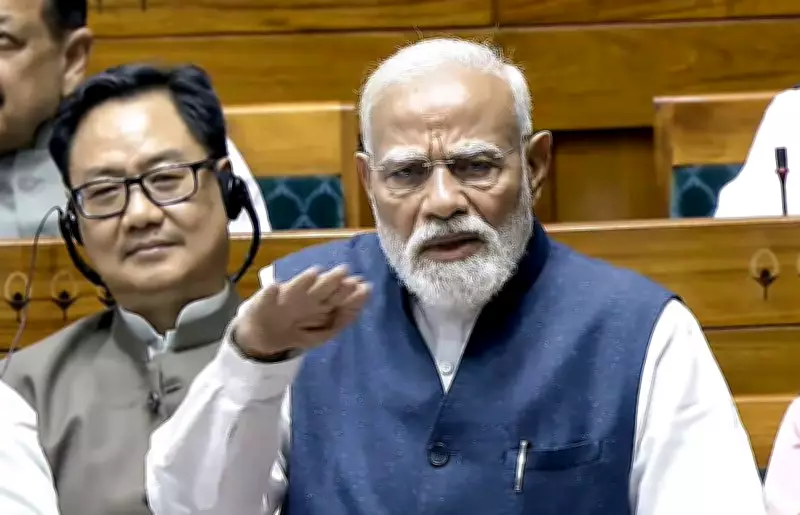
PM Modi Urges United Push for Women's Quota and Delimitation Reforms in Lok Sabha
Prime Minister Narendra Modi has called for a historic opportunity to unite all political parties in a concerted effort to advance women's reservation and delimitation reforms in the Lok Sabha. Addressing the Parliament, he emphasized the critical need for bipartisan support to enact these significant changes, which aim to enhance representation and governance in India's democratic framework.
Historic Opportunity for Parliamentary Unity
In his address, PM Modi highlighted that the current political climate presents a unique moment for collaboration across party lines. He stressed that reforms such as the women's quota and delimitation are not merely legislative measures but pivotal steps toward strengthening democracy and ensuring equitable participation. By urging unity, he aims to overcome historical divisions and foster a cooperative environment for passing these long-pending bills.
Focus on Women's Reservation Bill
The women's quota, which proposes to reserve one-third of seats in the Lok Sabha and state assemblies for women, has been a topic of debate for decades. PM Modi reiterated its importance in empowering women and promoting gender equality in political decision-making. He argued that implementing this quota would not only address historical underrepresentation but also bring diverse perspectives to the forefront of governance, ultimately benefiting the nation's development.

Delimitation Reforms for Fair Representation
Alongside the women's quota, PM Modi emphasized the necessity of delimitation reforms to ensure fair and proportional representation based on population changes. Delimitation involves redrawing parliamentary and assembly constituencies to reflect demographic shifts, and it is crucial for maintaining the integrity of electoral processes. The Prime Minister pointed out that outdated boundaries can lead to disparities in voter representation, and reforms are essential to uphold democratic principles.
Challenges and the Path Forward
Despite the urgency, these reforms face challenges, including political disagreements and logistical hurdles. PM Modi acknowledged these obstacles but called for a spirit of compromise and national interest to prevail. He proposed that all parties engage in constructive dialogue to iron out differences and work toward a consensus. By doing so, he believes India can set a global example in parliamentary reforms and social inclusion.
Impact on India's Democratic Landscape
If enacted, these reforms could transform India's political landscape by increasing women's participation and ensuring more accurate representation. PM Modi's push aligns with broader goals of modernizing governance and fostering inclusive growth. He concluded by urging lawmakers to seize this historic opportunity, emphasizing that unity today will pave the way for a more robust and representative democracy tomorrow.






