PM Modi Lauds Women's Quota Amendment as Historic 21st Century Move
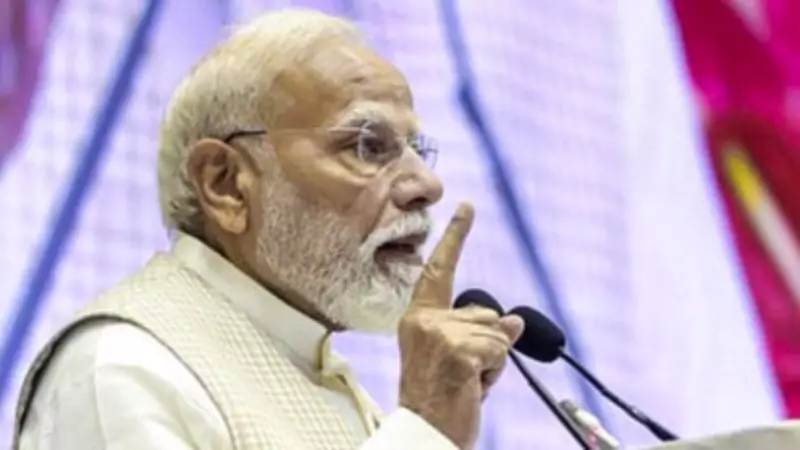
Prime Minister Narendra Modi has described the proposed amendment to the women's reservation legislation as "one of the greatest decisions of the 21st century," marking a significant moment in India's political landscape. This statement comes as the government moves forward with plans to modify the landmark 2023 law.
Key Changes Proposed in the Amendment
The government has put forth a crucial amendment to the women's reservation legislation, which was originally passed in 2023. The primary objective of this amendment is to delink the implementation of the women's quota from two major processes:
- Delimitation Process: The amendment seeks to separate the women's reservation from the ongoing delimitation exercise, which involves redrawing electoral boundaries based on population changes.
- Caste Census: It also aims to decouple the quota from the caste census, a comprehensive survey that collects data on caste demographics across the country.
By proposing these changes, the government intends to streamline and expedite the implementation of the women's reservation, ensuring that it can be enforced independently of these complex and time-consuming procedures.

Political and Social Implications
Prime Minister Modi's strong endorsement underscores the transformative potential of this amendment. The women's reservation law is designed to allocate a significant percentage of seats for women in legislative bodies, promoting gender equality and empowering women in politics.
Delinking the quota from delimitation and the caste census could potentially accelerate its rollout, addressing long-standing demands for greater female representation in governance. This move is seen as a strategic step to enhance women's participation in decision-making processes at both national and state levels.
Background and Context
The original women's reservation legislation, enacted in 2023, was a milestone in India's legislative history. However, its implementation has been contingent on the completion of delimitation and the caste census, which have faced delays and logistical challenges.
The proposed amendment, announced on 13 April 2026, represents a proactive effort by the government to overcome these hurdles. By making the women's quota independent of these processes, it aims to ensure that the benefits of reservation are realized more swiftly and effectively.
Looking Ahead
As the amendment moves through the legislative pipeline, it is expected to generate extensive debate and discussion among political parties, civil society groups, and the public. Prime Minister Modi's characterization of this decision as a landmark of the 21st century highlights its perceived importance in shaping India's democratic future.
The success of this amendment could set a precedent for other gender-based policies, reinforcing India's commitment to inclusive governance and social justice. Observers will be closely monitoring its progress and impact on women's political empowerment in the coming years.