

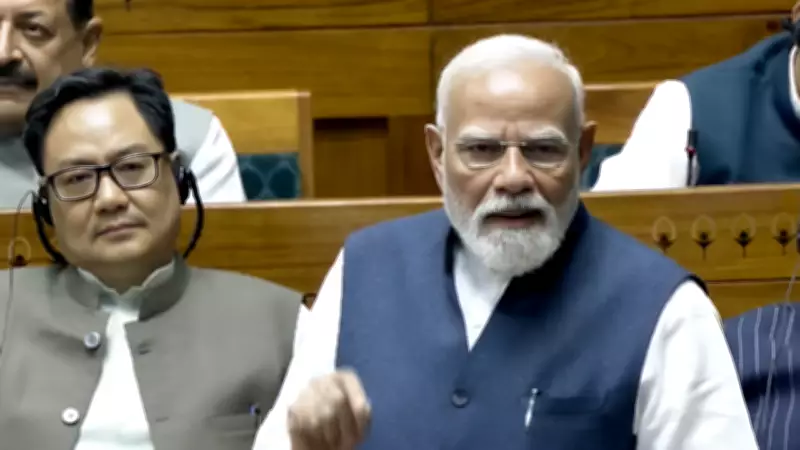
PM Modi Declares Women's Reservation Bill a Historic Milestone for Indian Democracy
In a landmark address during a special session of Parliament on Thursday, Prime Minister Narendra Modi passionately advocated for enhanced female participation in India's policymaking framework. He described the introduction of the Women's Reservation Bill as a pivotal and defining moment for the nation's democratic journey, emphasizing its significance in shaping the future of governance.
Strong Advocacy for Gender Representation
Prime Minister Modi strongly pitched for greater representation of women in the legislative process while discussing the Nari Shakti Vandan Adhiniyam, 2023, and the delimitation process in the Lok Sabha. He asserted that this initiative would provide India with a new direction, reinforcing the country's status as the mother of democracy with a rich historical legacy spanning thousands of years.
Addressing the Lok Sabha, PM Modi pushed back against opposition criticism, stating there was no need to give it a political colour. He highlighted that the Bill, which mandates 33% reservation for women in legislatures, is currently linked to the delimitation process. The government aims to implement this quota ahead of the 2029 general elections by introducing amendments to the 2023 Act and a constitutional change to delink delimitation from the 2027 census.

Key Quotes from the Prime Minister's Address
During his speech, PM Modi shared several powerful statements that underscored the importance of this legislative move:
- Discussion on this important Bill began this morning. Many members have raised various issues, and we will provide detailed and accurate information to the House. There are some defining moments in a nation's life — when the mindset of society and the capability of leadership come together to turn them into lasting legacies. In the history of India's parliamentary democracy, this is one such moment.
- When this idea was first conceived 25–30 years ago, it should have been implemented. Today, we have brought it to a mature stage.
- Ours is the mother of democracy. Our democratic journey spans thousands of years, and all of us in this House have the opportunity to add a new dimension to it.
- This is an important moment in the history of India's parliamentary democracy. It should have been implemented 20–25 years ago. We are fortunate to have the opportunity to bring half of our population into national policymaking.
- In the 21st century, India is moving forward with renewed confidence. A defining moment has arrived, linked to our resolve of building a 'Viksit Bharat'. This vision goes beyond infrastructure or economic indicators — it requires that 50% of the population actively participates in policymaking.
- We are already late due to various reasons. Whether we admit it publicly or not, we all recognise this. I would advise those trying to politicise this issue — the women of the country have not forgiven those who opposed this Bill.
Background and Implementation Timeline
The Nari Shakti Vandan Adhiniyam, 2023, represents a significant step toward gender equality in Indian politics. By providing one-third reservation for women in legislatures, it aims to empower female voices in critical decision-making processes. The government's strategy involves amending the 2023 Act and making constitutional adjustments to separate the delimitation process from the upcoming 2027 census, ensuring timely execution before the 2029 elections.
This move is seen as part of a broader effort to foster inclusive growth and strengthen democratic institutions. PM Modi's address highlighted the urgency and historical context, noting that while the idea was conceived decades ago, its implementation now marks a mature phase in India's democratic evolution.






