

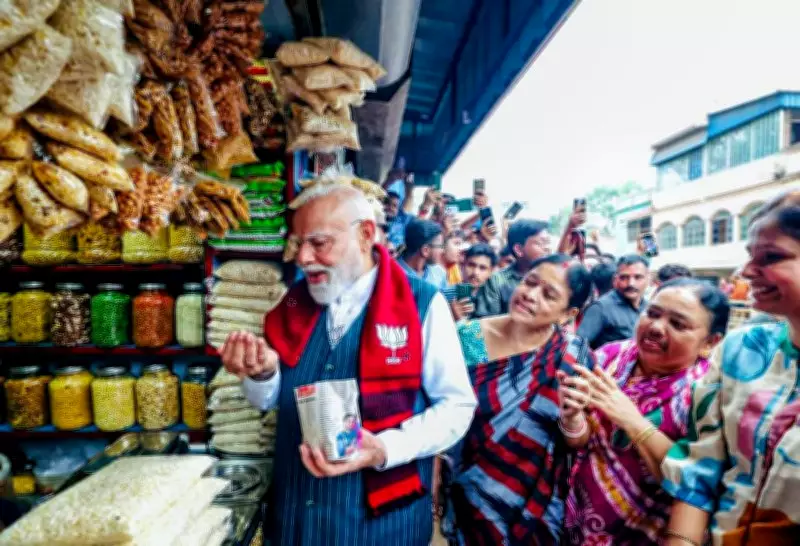
PM Modi's Impromptu Jhargram Visit: A Culinary and Community Connection
In a move that captured public attention, Prime Minister Narendra Modi made an unexpected and unscheduled stop in Jhargram, a town located in the West Bengal region of India. This spontaneous visit, which occurred during his official travel itinerary, showcased the Prime Minister's penchant for direct engagement with citizens and local culture.
Savoring Local Flavors: The Jhalmuri Experience
During his brief halt in Jhargram, Prime Minister Modi took the opportunity to sample jhalmuri, a popular and traditional Bengali street food. Jhalmuri is a savory snack made from puffed rice, mixed with various spices, chopped vegetables, and mustard oil, renowned for its tangy and spicy flavor profile that is deeply embedded in the culinary heritage of West Bengal.
This act of enjoying local cuisine not only highlighted Modi's appreciation for regional delicacies but also served as a symbolic gesture of connecting with the everyday lives of the people. By partaking in this common street food, the Prime Minister demonstrated a down-to-earth approach, resonating with the local populace and emphasizing the importance of grassroots interactions in political leadership.

Engaging with the Community: A Personal Touch
Beyond the culinary aspect, the unscheduled stop allowed PM Modi to engage directly with residents of Jhargram. He interacted with locals, exchanging greetings and conversations, which provided a platform for informal dialogue and community bonding. Such impromptu visits are characteristic of Modi's leadership style, often aimed at fostering a closer connection with citizens across diverse regions of India.
The visit to Jhargram, a region with significant tribal populations and cultural richness, underscored the government's focus on inclusive outreach and attention to areas that are sometimes less highlighted in national discourse. This engagement is part of a broader strategy to understand ground realities and address local concerns through direct communication.
Context and Implications of the Visit
Jhargram, situated in the Jangalmahal area of West Bengal, has historical and political significance, often being a focal point in state and national politics. Modi's surprise stop here can be seen as a strategic move to reinforce his presence and connect with the electorate in a key region. It aligns with his ongoing efforts to bolster the Bharatiya Janata Party's (BJP) influence in West Bengal, where political dynamics are highly competitive.
This incident also highlights the evolving nature of political campaigns and leadership, where spontaneous actions and personal interactions are leveraged to build rapport and trust with the public. By savoring jhalmuri and mingling with locals, Modi not only promoted local culture but also projected an image of accessibility and relatability, which can have positive implications for public perception and political outreach.
Broader Significance and Public Reaction
The unscheduled stop has garnered widespread media coverage and public discussion, with many praising the Prime Minister's gesture as a genuine attempt to bridge the gap between high-level governance and common citizens. It serves as a reminder of the importance of cultural immersion and community engagement in fostering national unity and understanding.
In summary, Prime Minister Narendra Modi's surprise visit to Jhargram, where he enjoyed the local street food jhalmuri and connected with residents, stands as a notable example of his hands-on leadership approach. This event not only celebrated regional culinary traditions but also reinforced the value of direct public interaction in India's democratic fabric, potentially influencing political narratives and community relations in West Bengal and beyond.






