

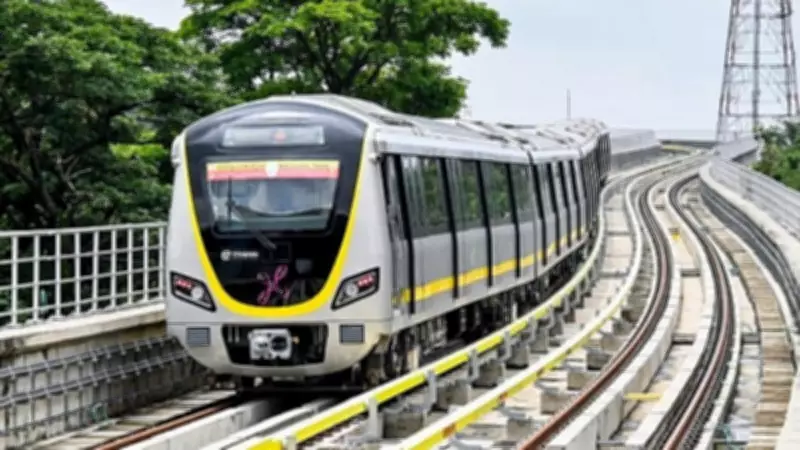
Political Intervention Halts Namma Metro Fare Hike in Bengaluru
The Bangalore Metro Rail Corporation Ltd (BMRCL) has abruptly deferred its scheduled 5% annual fare hike, which was slated to take effect from February 9, 2026. This decision came after the corporation received an email a day earlier from the office of its chairman, Srinivas Katikithala, who also serves as the Secretary of the Ministry of Housing and Urban Affairs (MoHUA).
Last-Minute Directive Disrupts Planned Increase
The fare hike, a routine annual adjustment intended to account for operational costs and inflation, was put on hold following the intervention from Katikithala's office. This move has thrown the metro's financial planning into chaos, raising questions about the influence of political considerations on public transportation policies.
Sources indicate that the email directive cited unspecified reasons for the deferral, leaving commuters and stakeholders in a state of uncertainty. The BMRCL had previously announced the hike as part of its standard fare revision process, aimed at maintaining service quality and infrastructure development.

Impact on Commuters and Operations
The sudden reversal has sparked mixed reactions among Bengaluru's daily metro users. While some commuters welcome the temporary relief from increased fares, others express concern over potential long-term effects on metro services and maintenance.
Key points of the situation include:
- The fare hike was planned as a 5% increase across all metro lines and categories.
- Deferral occurred just one day before the scheduled implementation date.
- Srinivas Katikithala's dual role as BMRCL chairman and MoHUA secretary highlights the intersection of administrative and political oversight.
- No new date has been announced for the fare revision, leaving future plans in limbo.
Broader Implications for Urban Transport Governance
This incident underscores the delicate balance between autonomous corporate decision-making and governmental influence in public sector enterprises. The BMRCL's fare structure is critical for its financial sustainability, yet political sensitivities often play a significant role in such determinations.
Analysts suggest that the deferral may reflect broader political strategies or public sentiment considerations ahead of potential electoral cycles. However, the lack of transparency in the decision-making process has led to calls for clearer communication and more predictable policies from urban transport authorities.
As Bengaluru continues to grapple with rapid urbanization and transportation challenges, the stability and predictability of metro fare policies remain crucial for both commuter trust and operational efficiency. The BMRCL is expected to review the situation and provide updates on any revised fare hike plans in the coming weeks.






