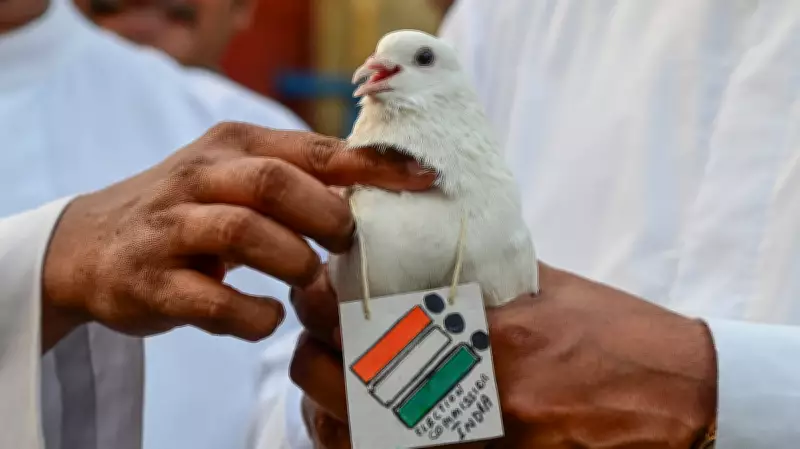
Electoral setbacks are increasingly explained not through political misjudgement, organisational failure, weak governance, or loss of public trust, but through conspiracy theories and institutional delegitimisation. This trend carries grave consequences.
The Rise of Conspiracy Theories in Politics
When a party loses an election, the natural reaction should be introspection: what went wrong? Was the campaign strategy flawed? Did the party fail to connect with voters? Were governance issues ignored? However, a growing number of political actors are bypassing such self-evaluation. Instead, they attribute defeat to elaborate conspiracies involving election rigging, media bias, or foreign interference. This shift from accountability to accusation is dangerous for democracy.
Blame Shifting Instead of Accountability
By blaming external forces, leaders avoid responsibility. This not only shields them from internal criticism but also deepens public cynicism. When citizens hear that elections are fraudulent, they lose faith in the democratic process. The very foundation of representative governance—trust in free and fair elections—is eroded.

Institutional Delegitimisation: A Growing Threat
Another disturbing trend is the attack on independent institutions. Election commissions, courts, and media are painted as biased or partisan. This delegitimisation serves a dual purpose: it provides a convenient scapegoat for defeat and weakens checks on executive power. Over time, such rhetoric normalises the idea that institutions are illegitimate unless they produce favourable outcomes.
Consequences for Democracy
The consequences are severe. When political actors reject electoral outcomes, they encourage supporters to do the same. This can lead to political violence, as seen in several countries. Moreover, it undermines the peaceful transfer of power, a hallmark of democracy. The long-term effect is a polarized society where facts are dismissed and only partisan narratives matter.
Historical Examples of Denial
History offers cautionary tales. In the United States, the 2020 presidential election was followed by baseless claims of widespread fraud, culminating in the January 6 Capitol attack. In Brazil, similar allegations preceded political turmoil. These events show how denial of electoral defeat can spiral into crisis.
The Role of Social Media
Social media amplifies these narratives. Algorithms prioritize sensational content, spreading conspiracy theories faster than fact-checks. Political leaders exploit this by using platforms to broadcast unsubstantiated claims directly to millions. The result is an information ecosystem where distrust thrives.
What Can Be Done?
Restoring trust requires a multi-pronged approach. First, political leaders must commit to accepting electoral verdicts gracefully. Second, institutions must remain transparent and communicate their impartiality. Third, media literacy programs can help citizens identify misinformation. Finally, civil society should hold leaders accountable for spreading falsehoods.
The politics of denial is a slippery slope. If defeat is always attributed to conspiracy, then no election can be trusted. Democracy relies on the willingness of losers to accept defeat and try again. Without that, the system collapses into chaos. The choice is clear: embrace accountability or risk unraveling the democratic fabric.