

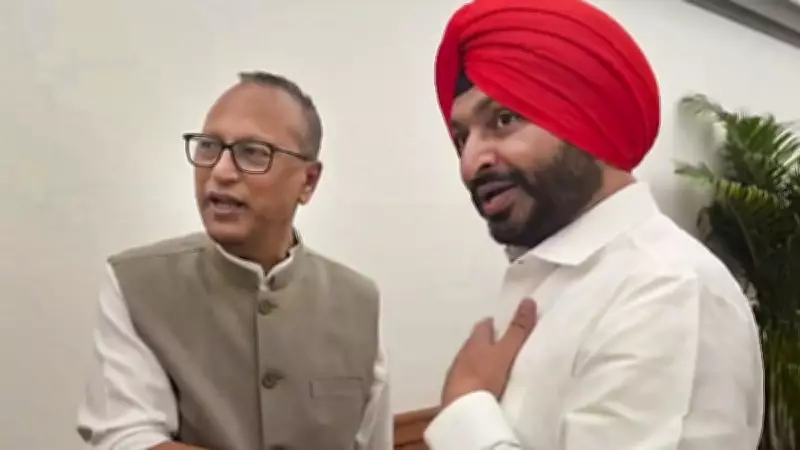
Congress Veteran Pradyut Bordoloi Resigns Citing Humiliation and Isolation
In a significant development within Indian politics, veteran Congress leader Pradyut Bordoloi has officially resigned from the party. His departure comes after years of dedicated service, with Bordoloi citing deep-seated feelings of humiliation and isolation as the primary reasons for his exit.
Background and Political Career
Pradyut Bordoloi has been a prominent figure in the Congress party for decades, known for his contributions to various political and legislative initiatives. His career has spanned multiple roles, including serving as a Member of Parliament and holding key positions within the party structure. However, recent years have seen a noticeable shift in his standing, leading to growing discontent.
Reasons for Resignation
In an exclusive interview, Bordoloi opened up about the circumstances that led to his decision. He stated, "As far as the Congress is concerned, I don't want to sound like a crying baby, but I have been relegated to the background." This sentiment underscores a broader pattern of marginalization that many senior leaders have reportedly faced within the party.

Bordoloi elaborated on the emotional toll of his experiences, describing a sense of humiliation that stemmed from being systematically sidelined in key decision-making processes. He highlighted how this isolation not only affected his political influence but also eroded his morale and commitment to the party's cause.
Impact on Congress Party
The resignation of a seasoned leader like Bordoloi is expected to have ripple effects within the Congress party. It raises questions about internal dynamics and the treatment of veteran members, potentially signaling deeper issues of factionalism and leadership challenges.
Political analysts suggest that such exits could weaken the party's grassroots support in certain regions, as Bordoloi's influence and network were significant assets. This move might also inspire other disgruntled members to reconsider their allegiance, further complicating the party's efforts to rebuild and strategize for future elections.
Broader Political Implications
Bordoloi's departure adds to a growing list of senior leaders who have left the Congress in recent years, often citing similar grievances. This trend reflects broader shifts in the Indian political landscape, where party loyalty is increasingly tested by personal and ideological differences.
As the Congress grapples with these challenges, the focus will likely turn to how it addresses internal discontent and retains its veteran cadre. The party's ability to manage such crises could influence its performance in upcoming state and national elections.
Looking Ahead
While Bordoloi has not yet announced his future political plans, his resignation marks a pivotal moment in his career. Observers will be watching closely to see if he joins another party or pursues independent political endeavors.
For the Congress, this incident serves as a stark reminder of the need for inclusive leadership and effective communication within its ranks. As the party navigates this transition, the lessons learned from Bordoloi's exit could shape its approach to member engagement and organizational harmony in the years to come.






