Former President Pratibha Patil Endorses PM Modi's Women's Reservation Initiative
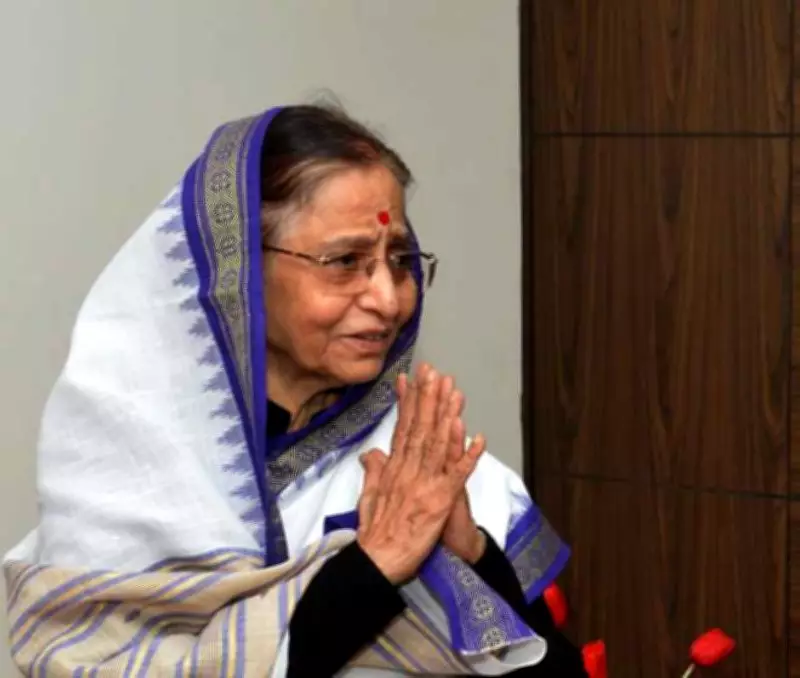
In a notable development for gender equality in Indian politics, former President Pratibha Patil has extended her unequivocal support to Prime Minister Narendra Modi's push for the Women's Reservation Bill. This endorsement comes as a significant boost to the long-pending legislative proposal aimed at ensuring greater representation for women in Parliament and state assemblies.
Historic Support for a Landmark Bill
Pratibha Patil, who served as the 12th President of India from 2007 to 2012 and remains a respected figure in public life, has publicly backed the initiative, which seeks to reserve one-third of seats for women in the Lok Sabha and state legislative assemblies. Her support is seen as a powerful endorsement from a trailblazing woman leader who has broken barriers in Indian politics.
The bill, officially known as the Nari Shakti Vandan Adhiniyam, was passed by Parliament in September 2023 after decades of debate and delay. Patil's backing reinforces the bipartisan appeal of the measure, which is designed to empower women and enhance their participation in the democratic process.

Implications for Political Empowerment
This endorsement is expected to galvanize further support across political spectrums and civil society. Patil emphasized that the reservation is crucial for addressing the underrepresentation of women in legislative bodies, where they currently hold only about 15% of seats despite constituting nearly half of the population.
The former president highlighted that such a quota would not only promote gender justice but also lead to more inclusive policymaking. "Women's perspectives are essential for a balanced and progressive society," she noted, aligning with PM Modi's vision of "Nari Shakti" (women power) as a cornerstone of national development.
Background and Legislative Journey
The Women's Reservation Bill has a complex history, first introduced in 1996 and facing numerous hurdles over the years. Its recent passage under the Modi government marked a historic milestone, with Patil's support adding moral weight to its implementation. Key aspects of the bill include:
- Reservation of 33% seats for women in the Lok Sabha and state assemblies.
- Provisions for sub-reservation for Scheduled Castes and Scheduled Tribes within the women's quota.
- A phased implementation strategy to ensure smooth integration into the electoral system.
Patil's endorsement is particularly significant given her non-partisan stature as a former head of state. It underscores the bill's importance beyond political affiliations, focusing on its role in strengthening democracy and social equity.
Looking Ahead: Challenges and Opportunities
While the bill has been enacted, its full implementation requires delimitation exercises and census data, which are slated for completion after 2026. Patil's support may help build consensus around these logistical steps, ensuring that the reservation becomes a reality in upcoming elections.
Experts suggest that this move could transform Indian politics by encouraging more women to enter public life and contest elections. It aligns with global trends toward gender parity in governance, as seen in countries like Rwanda and Sweden, where similar quotas have led to increased female representation.
In conclusion, Pratibha Patil's backing of PM Modi's women's quota plan represents a pivotal moment in India's journey toward gender equality. It reinforces the bill's legitimacy and amplifies calls for its swift implementation, promising a more inclusive and representative political landscape for future generations.