Former President Pratibha Patil Endorses Women's Reservation Bill as Transformative Constitutional Reform
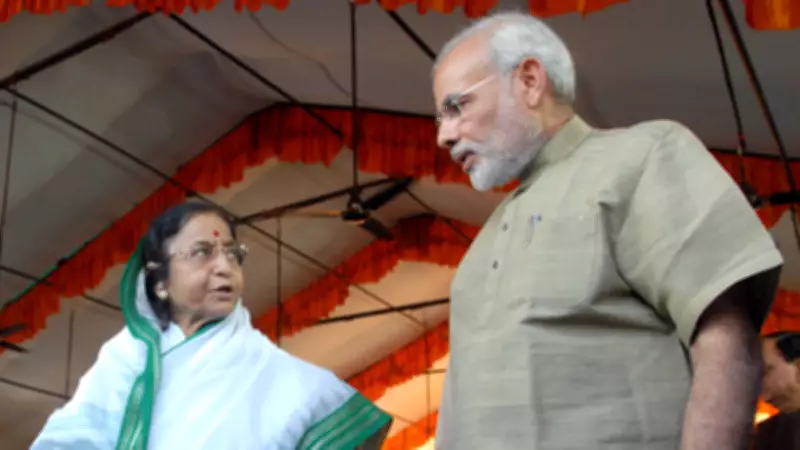
In a significant development ahead of the upcoming Special Session of Parliament, former President Pratibha Devisingh Patil has written to Prime Minister Narendra Modi expressing her unequivocal support for the implementation of the women's quota bill, describing it as a transformative step for India's democratic framework.
Historic Endorsement from India's First Woman President
Patil, who served as the nation's first woman President from 2007 to 2012, characterized the Nari Shakti Vandan Adhiniyam constitutional amendment as a landmark legislation that would substantially enhance women's representation in legislative bodies while deepening democratic participation across the country.
"India has consistently witnessed the extraordinary contributions of women across every sphere of national development, often surmounting formidable social and structural barriers," Patil stated in her letter. "This legislation formally recognizes their immense potential and institutionalizes pathways for their leadership at the highest levels of governance."

Addressing Historical Inequities Through Legislative Reform
The former President emphasized that the bill represents a decisive stride toward bridging historical gender inequities and creating a more just and equitable society. Her endorsement comes at a crucial juncture, with Parliament scheduled to convene for a Special Session beginning April 16, where amendments to the Act and a proposed delimitation bill are expected to be taken up to enable one-third reservation for women in Parliament.
In her comprehensive communication, Patil described the legislation as "far more than a legal provision," asserting that it reflects a collective national resolve to advance gender equality and promote inclusive governance structures.
Empowering Rural and Marginalized Women
"I am confident that this progressive initiative will ignite the aspirations of countless women, particularly from rural and marginalized communities, encouraging them to pursue leadership roles and contribute meaningfully to nation-building," Patil expressed optimistically.
She highlighted the broader societal impact of increased female representation, noting that greater participation of women in Parliament and state legislatures would:
- Enrich parliamentary debates with diverse perspectives
- Lead to more balanced and comprehensive policymaking
- Inspire future generations to actively engage in public life
- Strengthen democratic institutions through inclusive participation
Commending Years of Advocacy and Political Will
Patil commended political leaders and all stakeholders who worked tirelessly over the years to transform this long-cherished aspiration into legislative reality. "This landmark reform will undoubtedly play a pivotal role in realizing the vision of a more equitable, empowered, and inclusive India," she affirmed.
The former President concluded her letter with best wishes for sustained efforts toward women's empowerment and national progress, signaling India's renewed commitment to gender justice and inclusive democracy.
Political Context and Broader Implications
Patil's endorsement emerges amid ongoing political discussions about the bill's implementation timeline, with Congress leader Sonia Gandhi having previously criticized the timing of the legislation and characterized it as an "underhand tactic." Despite these political differences, Patil's support underscores the bill's significance as a constitutional milestone.
The women's reservation bill represents one of the most substantial electoral reforms in recent Indian history, with potential to reshape the country's political landscape by ensuring that women constitute at least one-third of legislative representatives at both national and state levels.
As Parliament prepares to deliberate on the enabling amendments, Patil's endorsement adds considerable moral weight to the legislative process, coming from a former head of state who broke gender barriers herself during her historic presidency.