President Droupadi Murmu Expected to Visit Rourkela in Odisha on April 21
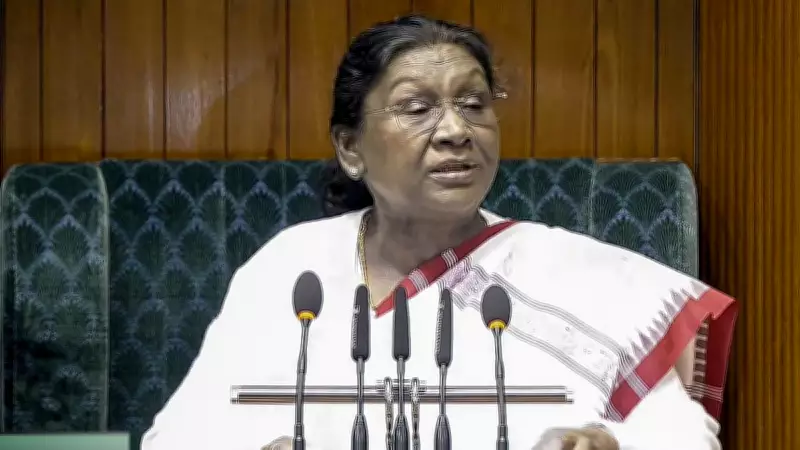
President Droupadi Murmu is likely to make an official visit to the industrial city of Rourkela in Odisha on April 21, 2026. This anticipated trip comes at a significant moment for the state, which has recently enacted major reforms in its education reservation policies.
Odisha Cabinet Approves Substantial Quota Enhancements for Marginalized Students
In a landmark decision, the Odisha cabinet has approved substantial increases in reservation quotas for students from Scheduled Tribes (ST), Scheduled Castes (SC), and Socially and Educationally Backward Classes (SEBC/OBC) in professional courses. The revised quotas represent a significant expansion of educational opportunities for these communities.
The key changes include:

- The quota for Scheduled Tribe (ST) students has been increased to 22.5 per cent, up from the previous 12 per cent.
- The reservation for Scheduled Caste (SC) students has been raised to 16.25 per cent, a notable increase from the earlier 8 per cent.
- A new reservation category has been introduced for Socially and Educationally Backward Classes (SEBC/OBC) students, allocating 11.25 per cent of seats in professional courses.
These reforms are designed to promote greater inclusivity and equity in higher education across Odisha. The timing of President Murmu's visit underscores the national importance of such policy initiatives aimed at empowering marginalized sections of society.
Context and Implications of the Policy Shift
The enhancement of reservation quotas reflects the Odisha government's commitment to addressing historical disparities in educational access. Professional courses, which include fields such as engineering, medicine, and management, are critical pathways to economic advancement, and these changes aim to level the playing field for students from underrepresented backgrounds.
This policy shift is expected to have far-reaching effects on the educational landscape in Odisha, potentially increasing enrollment and graduation rates among ST, SC, and SEBC/OBC communities. It aligns with broader national efforts to foster social justice through affirmative action in education.
President Murmu's visit to Rourkela, a key industrial and educational hub in Odisha, is seen as an opportunity to highlight these reforms and engage with local stakeholders. The visit may include interactions with educational institutions, community leaders, and government officials to discuss the implementation and impact of the new reservation policies.
As the first tribal woman to hold the office of President of India, Droupadi Murmu's presence in Odisha carries symbolic weight, emphasizing the government's focus on tribal welfare and educational empowerment. Her itinerary and specific engagements during the visit are anticipated to further spotlight the state's progressive steps in social policy.