

Priyanka Chaturvedi Calls for Judicial Openness in NCERT Textbook Controversy
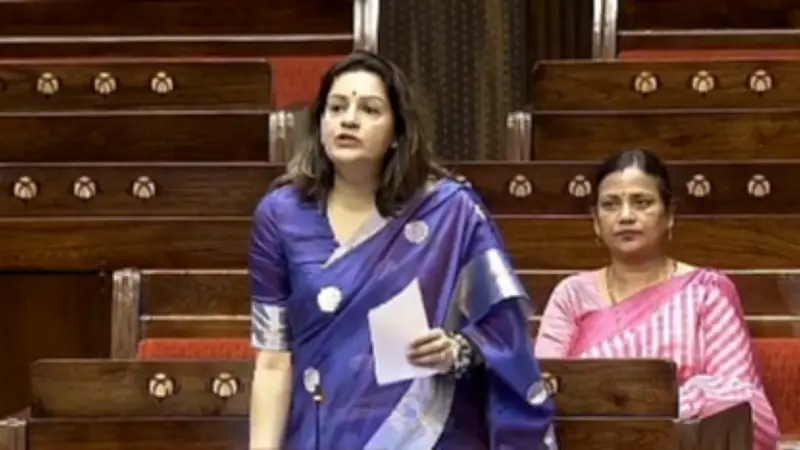
Shiv Sena Member of Parliament Priyanka Chaturvedi has publicly asserted that the judiciary must remain open to scrutiny, particularly in light of the ongoing NCERT textbook row. Her comments come as the National Council of Educational Research and Training faces criticism over recent revisions to school textbooks, which have sparked debates about historical accuracy and educational integrity.
Linking Judicial Accountability to Democratic Values
In her statement, Chaturvedi highlighted that transparency within the judiciary is a cornerstone of a healthy democracy. She argued that when institutions like the NCERT make controversial changes, it is essential for the judicial system to be accessible and subject to public examination to ensure fairness and uphold constitutional principles. This perspective ties the textbook issue to broader concerns about institutional accountability in India.
Context of the NCERT Textbook Revisions
The NCERT textbook row involves allegations that certain historical events and figures have been omitted or altered in recent editions, leading to accusations of bias and political influence. Chaturvedi's remarks suggest that such controversies underscore the need for judicial oversight and public scrutiny to prevent misuse of authority and protect educational standards.

Political and Social Implications
As a prominent Shiv Sena leader, Chaturvedi's stance reflects her party's commitment to democratic norms and opposition to perceived overreach by governmental bodies. Her call for judicial openness resonates with ongoing discussions about the balance of power between different branches of government and the role of civil society in holding institutions accountable.
Key Points from Chaturvedi's Argument:- The judiciary should welcome scrutiny as part of its democratic duty.
- The NCERT textbook revisions highlight potential risks to educational integrity.
- Transparency in judicial processes can help address public concerns over institutional decisions.
- This issue is part of a larger debate on accountability in Indian governance.
Broader Relevance to Indian Politics
Chaturvedi's comments are not isolated but connect to wider political narratives in India, where issues of censorship, historical revisionism, and institutional independence are frequently debated. By emphasizing judicial scrutiny, she positions herself as an advocate for checks and balances, which could influence public opinion and policy discussions moving forward.
In summary, Priyanka Chaturvedi's advocacy for judicial transparency amid the NCERT textbook row serves as a reminder of the importance of open institutions in a democracy. Her statements contribute to ongoing dialogues about how India navigates complex educational and legal challenges while maintaining democratic values.






