Internal Dynamics of the World's Largest Party
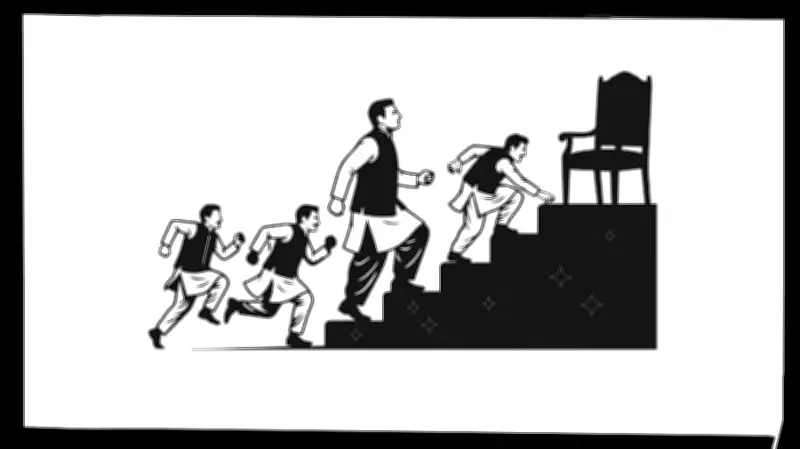
The Bharatiya Janata Party (BJP), recognized as the world's largest political party, is witnessing a subtle yet significant internal shift. While Prime Minister Narendra Modi and Home Minister Amit Shah continue to dominate the party's leadership, a race for the second position has quietly begun among other senior leaders. This development, though not openly discussed, is reshaping the party's internal dynamics and future succession plans.
Key Contenders and Their Strategies
Several senior BJP leaders are positioning themselves for the second spot. Union Ministers like Rajnath Singh, Nitin Gadkari, and Shivraj Singh Chouhan are among those seen as potential candidates. Each is leveraging their regional influence and organizational networks. According to party insiders, the race is not just about power but also about shaping the post-Modi-Shah era. The competition involves subtle maneuvering, including strategic public appearances and policy initiatives, to attract support from party cadres and RSS affiliates.
Impact on Party Functioning
This internal race is influencing decision-making processes within the BJP. Policy announcements and ministerial assignments are now closely watched for signs of favoritism or shifting power balances. The party's central leadership, led by Shah, is carefully managing these ambitions to avoid open conflicts. A senior party functionary stated, "The leadership is aware of these aspirations and is channeling them productively to strengthen the organization." Despite the competition, the party maintains a united front publicly.

Historical Context and Future Implications
The BJP has historically seen leadership transitions managed by the RSS. The current scenario echoes past successions, but the scale and media scrutiny are unprecedented. Analysts suggest that the race for the second place could define the party's direction in the coming decade. If managed well, it could ensure a smooth transition; if mishandled, it might lead to factionalism. The outcome will likely depend on how Modi and Shah navigate these internal currents while maintaining electoral momentum.
External Perceptions and Challenges
Outside observers often see the BJP as a monolithic entity, but this internal race reveals its complex internal politics. The party's ability to manage these dynamics will impact its electoral performance and governance. As the 2029 general elections approach, the race for the second place could become more pronounced. For now, the BJP leadership is focused on consolidating its position, but the groundwork for the future is being laid within its ranks.