

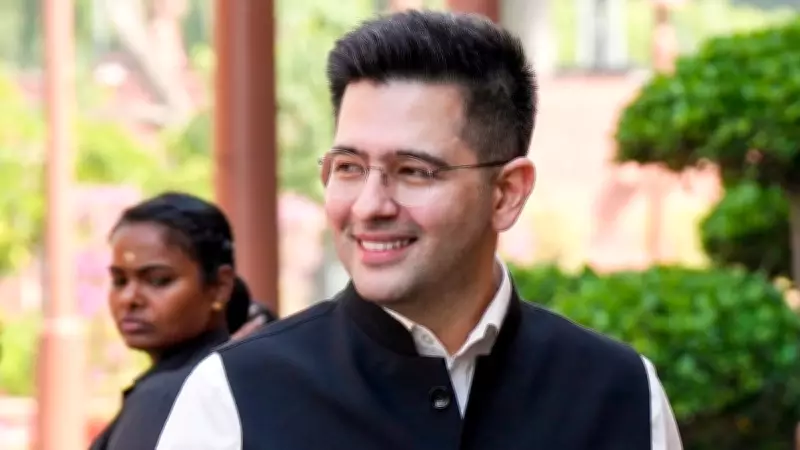
Raghav Chadha Rejects AAP's Allegations as Politically Motivated
Aam Aadmi Party (AAP) Member of Parliament Raghav Chadha has strongly dismissed allegations from his own party that he failed to raise critical issues concerning Punjab in Parliament. Chadha labeled these accusations as politically motivated and entirely baseless, asserting that he has consistently advocated for the state's interests.
Background of the Controversy
The controversy erupted when certain factions within the AAP publicly criticized Chadha for not adequately addressing Punjab's pressing matters during parliamentary sessions. These issues reportedly include agricultural distress, water disputes, and economic challenges facing the state. The allegations suggested a lack of effective representation, sparking internal discord within the party.
In response, Chadha issued a detailed statement refuting these claims. He emphasized his unwavering commitment to Punjab's welfare, highlighting his active participation in parliamentary debates and discussions on state-specific concerns. Chadha pointed to his record of raising questions and initiating dialogues on topics such as farmer welfare and infrastructure development.

Chadha's Defense and Political Implications
Chadha argued that the allegations are driven by political motives rather than factual accuracy. He suggested that internal party dynamics or external pressures might be fueling this criticism, aiming to undermine his position and credibility. This incident sheds light on the ongoing tensions within the AAP, particularly regarding leadership and representation strategies.
The rejection of these allegations by Chadha could have significant implications for the AAP's unity and public image. As a prominent figure in the party, his stance may influence voter perception in Punjab and beyond, especially ahead of upcoming political events. Observers note that such internal disputes could impact the party's effectiveness in addressing regional issues.
Analysis of Parliamentary Performance
An analysis of parliamentary records indicates that Chadha has been involved in several discussions related to Punjab. For instance, he has raised points on:
- Agricultural Policies: Advocating for better support systems for farmers.
- Economic Development: Pushing for investments in Punjab's infrastructure.
- Social Welfare: Addressing healthcare and education needs in the state.
Despite this, critics within the AAP argue that his efforts have not translated into tangible outcomes or sufficient visibility. Chadha counters this by emphasizing the complexities of parliamentary processes and the need for collaborative efforts beyond individual actions.
Future Outlook and Party Dynamics
The fallout from this controversy may lead to:
- Internal Reassessment: The AAP might review its communication and strategy regarding member performances.
- Public Relations: Efforts to present a united front to avoid damaging the party's reputation.
- Policy Focus: Increased attention on Punjab's issues in future parliamentary sessions.
Chadha's firm rejection of the allegations underscores the challenges political parties face in balancing internal accountability with public representation. As the situation develops, it will be crucial to monitor how the AAP addresses these internal conflicts while continuing to advocate for Punjab's interests on the national stage.






