

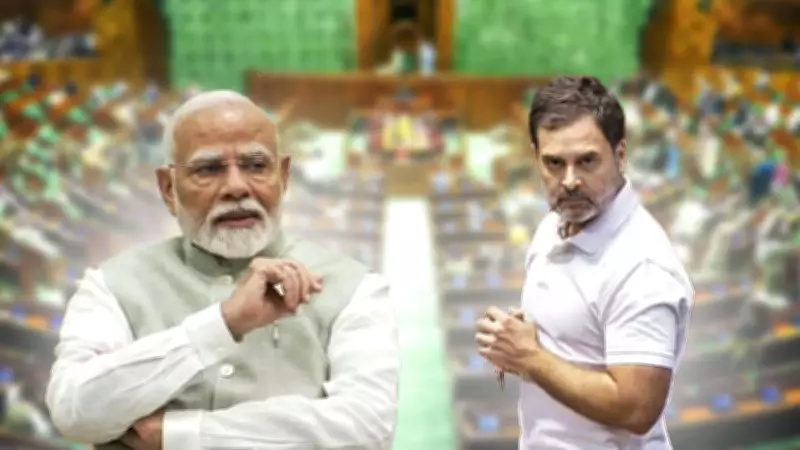
Rahul Gandhi Launches Scathing Attack on BJP Over Women's Reservation Bill
In a fiery session of the Lok Sabha, Congress leader Rahul Gandhi delivered a sharp political critique of the government's Women's Reservation Bill, accusing the ruling Bharatiya Janata Party of using the legislation as a tool to manipulate India's electoral landscape. The debate, which unfolded on April 17, 2026, saw Gandhi assert that the bill's true purpose is not women's empowerment but a strategic attempt to redraw parliamentary constituencies through delimitation.
Allegations of Electoral Map Alteration
Gandhi argued that linking the implementation of women's reservation to the delimitation process is a misleading tactic that could disproportionately affect various states. He emphasized that such a move might shift political power dynamics, potentially benefiting certain regions while disadvantaging others. The Congress leader demanded that the original version of the bill, which does not tie reservation to delimitation, be enacted immediately to ensure genuine progress for women in politics.
Moment of Humor Amid Tensions
Amid the intense political exchange, Gandhi injected a brief moment of levity by remarking on his and Prime Minister Narendra Modi's marital status, quipping about not having a "wife issue." This light-hearted comment momentarily eased the House's atmosphere, though it did little to soften the subsequent political messaging. The humor quickly gave way to continued debate focused on the bill's intent, timing, and broader implications for Indian democracy.

Broader Political Implications
The discussion highlighted deep-seated concerns about the government's approach to women's representation. Gandhi's accusations suggest a belief that the BJP is prioritizing electoral gains over substantive gender equality. As the debate continues, key questions remain:
- Whether the bill will truly advance women's political participation
- How delimitation might reshape India's electoral map
- The potential long-term effects on federal structure and state representation
This parliamentary clash underscores the ongoing tensions between the opposition and ruling party over legislative priorities and democratic processes.






