Rahul Gandhi Calls for PM Modi's Intervention in Textile Industry Crisis
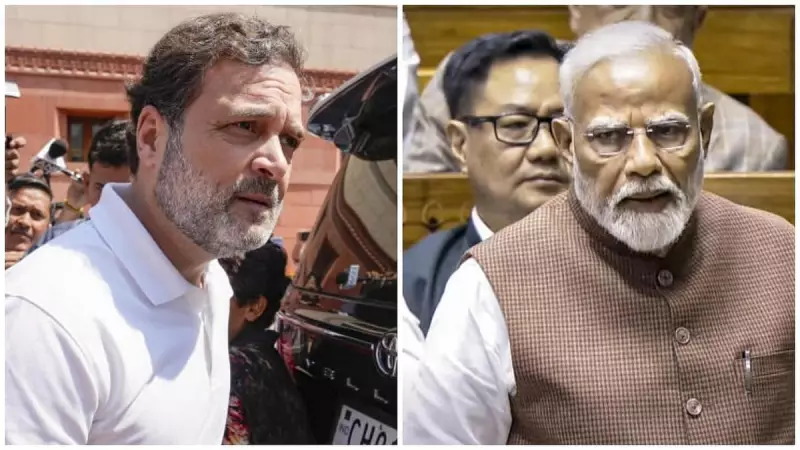
Congress leader Rahul Gandhi has made a direct appeal to Prime Minister Narendra Modi, urging him to shift his attention towards the pressing issues plaguing India's textile sector. In a significant political move, Gandhi highlighted the severe challenges faced by this vital industry, which is a cornerstone of the Indian economy and a major employer, particularly in rural areas.
Key Concerns Raised by the Congress Leader
Rahul Gandhi emphasized several critical problems that are hampering the growth and sustainability of the textile industry. He pointed out that the sector is grappling with a combination of domestic and international pressures, leading to widespread distress among workers and business owners alike.
- Job Losses: One of the most alarming issues flagged by Gandhi is the significant loss of employment opportunities. The textile industry, which traditionally provides livelihoods to millions, especially women and low-skilled workers, is witnessing a decline in job creation due to various economic factors.
- Export Challenges: Gandhi also highlighted the difficulties faced by textile exporters in competing on the global stage. Factors such as fluctuating demand, trade barriers, and increased competition from other countries are putting a strain on India's export performance in this sector.
- Policy Gaps: The Congress leader suggested that there might be gaps in government policies or implementation that are exacerbating the sector's problems. He called for a more focused approach to address these issues and revive the industry's fortunes.
Political Implications and Sector Importance
This appeal by Rahul Gandhi comes at a time when the textile industry is seen as a barometer of India's economic health. The sector not only contributes significantly to the country's GDP but also plays a crucial role in social development by providing employment in backward regions.

The call for attention from the Prime Minister underscores the political significance of economic issues in India's current landscape. By raising this matter, Gandhi is positioning himself as a voice for industrial and labor concerns, potentially aiming to garner support from affected communities and stakeholders.
Broader Economic Context
The textile industry in India has been facing headwinds for some time, with issues ranging from raw material costs to technological obsolescence. Rahul Gandhi's intervention brings these challenges into the political spotlight, urging the government to take proactive measures.
- Global Competition: India's textile sector is competing with countries like Bangladesh and Vietnam, which often have cost advantages and favorable trade agreements.
- Domestic Struggles: Within India, small and medium enterprises in the textile industry are struggling with access to credit, infrastructure bottlenecks, and regulatory hurdles.
- Future Prospects: Addressing these issues is crucial for maintaining India's position as a global textile hub and ensuring sustainable economic growth.
In conclusion, Rahul Gandhi's appeal to PM Modi highlights the urgent need for policy interventions to support the textile sector. As the industry navigates through tough times, the response from the government could have far-reaching implications for India's economic trajectory and political discourse.