Rahul Gandhi Alleges PM Modi is 'Scared' of Parliamentary Debate
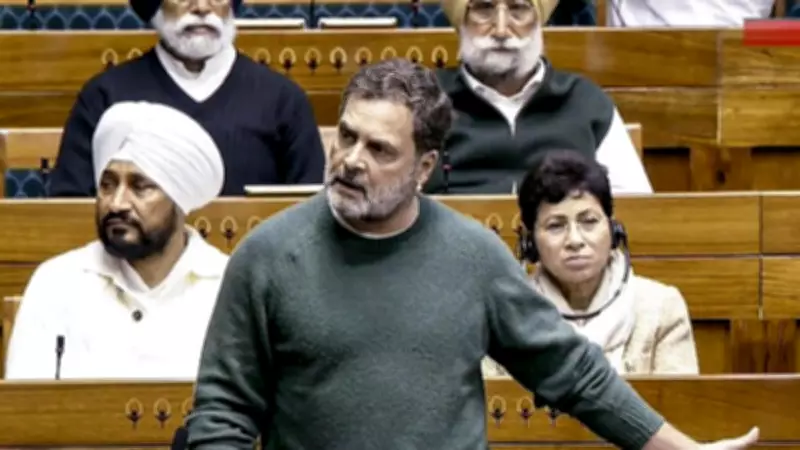
In a dramatic turn of events in the Lok Sabha, Congress leader Rahul Gandhi asserted that Prime Minister Narendra Modi is 'scared' of engaging in a debate on critical national issues. The accusation came during a session marked by procedural confusion and a subsequent adjournment, highlighting the ongoing political tensions.
Parliamentary Proceedings Descend into Chaos
Rahul Gandhi attempted to speak on pressing matters after reportedly receiving consent from Speaker Om Birla. However, BJP MP Sandhya Rai, who was presiding over the proceedings at the time, intervened. She stated that the official agenda shared with her did not include any provision for Rahul Gandhi's speech, leading her to disallow it.
This decision sparked immediate controversy, with opposition members protesting the move. The situation escalated quickly, resulting in Rai adjourning the House for the day to restore order. This incident underscores the deep-seated disagreements and procedural hurdles that often characterize parliamentary sessions in India.

Political Implications and Reactions
The confrontation has reignited debates about transparency and dialogue within India's legislative framework. Rahul Gandhi's insistence on speaking, coupled with his direct criticism of the Prime Minister, points to a broader strategy by the opposition to challenge the ruling party's dominance in parliamentary discussions.
Observers note that such episodes are not uncommon in Indian politics, where procedural rules are frequently leveraged for political advantage. The adjournment effectively halted all legislative business for the day, raising questions about the efficiency and productivity of parliamentary sessions.
Broader Context of Indian Political Discourse
This event occurs against a backdrop of heightened political rhetoric and polarization. Rahul Gandhi's allegations reflect ongoing efforts by opposition parties to hold the government accountable, particularly on issues related to governance and policy implementation.
- The role of presiding officers in managing parliamentary decorum and agenda adherence.
- The impact of such disruptions on legislative progress and public perception.
- The strategic use of parliamentary platforms for political messaging and critique.
As the political landscape continues to evolve, incidents like this highlight the challenges in fostering constructive debate and collaboration within India's democratic institutions. The adjournment serves as a reminder of the fragile balance between parliamentary procedure and political maneuvering.