

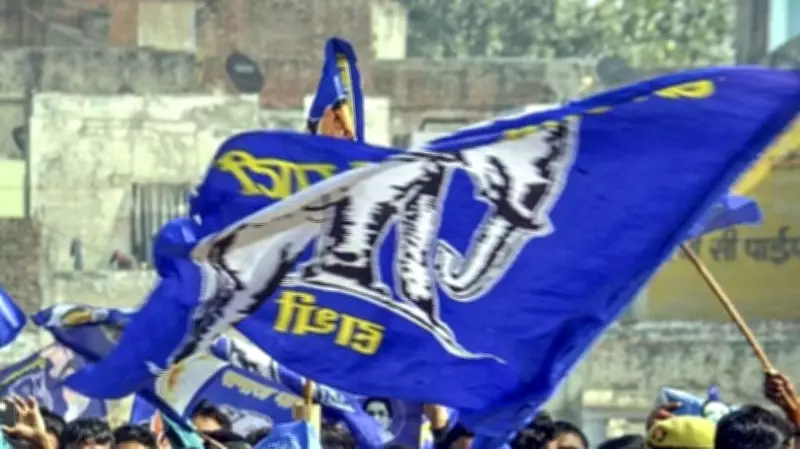
Rahul Gandhi Calls for Bharat Ratna for Kanshiram in UP Dalit Vote Battle
In a significant political move, former Congress president and Leader of the Opposition in Lok Sabha, Rahul Gandhi, has publicly advocated for conferring the prestigious 'Bharat Ratna' award upon the late Kanshiram, the founder of the Bahujan Samaj Party (BSP). This demand was made during a recent party event, where Gandhi heaped praise on Kanshiram's enduring political legacy, particularly in the context of the ongoing scramble for Dalit votes in Uttar Pradesh.
Political Praise and Strategic Implications
Rahul Gandhi's endorsement of Kanshiram is seen as a strategic effort to resonate with Dalit communities, who form a crucial voting bloc in Uttar Pradesh. By highlighting Kanshiram's contributions to social justice and empowerment, Gandhi aims to strengthen the Congress party's appeal in a state where Dalit politics has historically been dominated by parties like the BSP and others. This move underscores the intense competition among political factions to secure Dalit support ahead of upcoming elections.
The timing of this demand is particularly noteworthy, as it comes amid heightened political activities in Uttar Pradesh, where parties are vying to consolidate their bases. Gandhi's praise for Kanshiram not only acknowledges the leader's role in shaping Dalit consciousness but also signals a potential shift in Congress's approach to engaging with marginalized communities. Experts suggest that such gestures could influence voter sentiment and reshape alliances in the region.

Kanshiram's Legacy and Contemporary Relevance
Kanshiram, who founded the BSP in 1984, is widely regarded as a pivotal figure in Indian politics for his efforts to mobilize Dalits and other backward classes. His legacy continues to influence political discourse, especially in Uttar Pradesh, where Dalit votes remain a decisive factor in electoral outcomes. Rahul Gandhi's call for the Bharat Ratna serves to revive discussions about Kanshiram's impact and the broader struggle for social equality.
This development highlights the ongoing dynamics of caste-based politics in India, with parties increasingly focusing on symbolic gestures to connect with key demographics. As the scramble for Dalit votes intensifies, such moves are expected to play a significant role in shaping political strategies and outcomes in Uttar Pradesh and beyond.






