

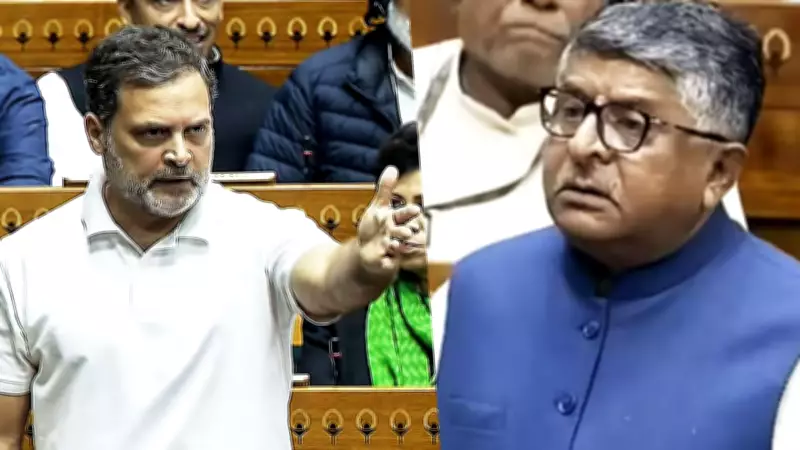
Parliament Erupts in Heated Exchange Over 'PM Compromised' Allegations
In a dramatic parliamentary session on March 11, 2026, Congress leader Rahul Gandhi and BJP MP Ravi Shankar Prasad engaged in a sharp confrontation that dominated proceedings. The clash occurred during discussions on a motion against Lok Sabha Speaker Om Birla, quickly escalating into a high-stakes political showdown.
'I Was Silenced': Gandhi Repeats Controversial Claim
Rahul Gandhi reiterated his explosive allegation that Prime Minister Narendra Modi had been "compromised," asserting that he had been prevented from raising this issue earlier in the House. "I was silenced when I tried to bring this matter forward," Gandhi declared during the heated debate, amplifying his long-standing criticism of the government's transparency.
BJP's Fierce Pushback and Credibility Challenge
The Bharatiya Janata Party responded with immediate and forceful opposition to Gandhi's claims. Senior BJP leader Ravi Shankar Prasad categorically rejected the allegations, stating emphatically that "the Prime Minister could never be compromised." Prasad went further to question the foundation of Gandhi's accusations, specifically challenging the credibility of claims reportedly linked to an unpublished memoir of former Army Chief M M Naravane.

The parliamentary exchange quickly became the central focus of the day's proceedings, with both sides digging in their positions. The confrontation highlighted the deepening political divisions and the intense atmosphere surrounding parliamentary debates in the current political climate.
Context of the Motion Against Speaker Om Birla
The fiery exchange unfolded against the backdrop of discussions concerning a motion against Lok Sabha Speaker Om Birla. While the specific details of the motion weren't elaborated in the initial reports, it served as the platform for this significant political confrontation between two of India's most prominent political figures.
The incident underscores the ongoing tensions between the ruling BJP and opposition Congress party, particularly regarding parliamentary procedures and the freedom to raise contentious issues in the House. This parliamentary clash is likely to have reverberations beyond the immediate session, potentially influencing political discourse in the coming days.
The sharp exchange between Gandhi and Prasad represents more than just parliamentary theater—it reflects fundamental disagreements about governance, accountability, and the boundaries of political discourse in India's democratic institutions.






