Regional parties in India are confronting an unprecedented challenge from the Bharatiya Janata Party (BJP), which has been aggressively expanding its footprint across states. However, political analysts argue that it is too early to write off these regional outfits, given their deep-rooted local connections and ability to adapt.
The Growing BJP Influence
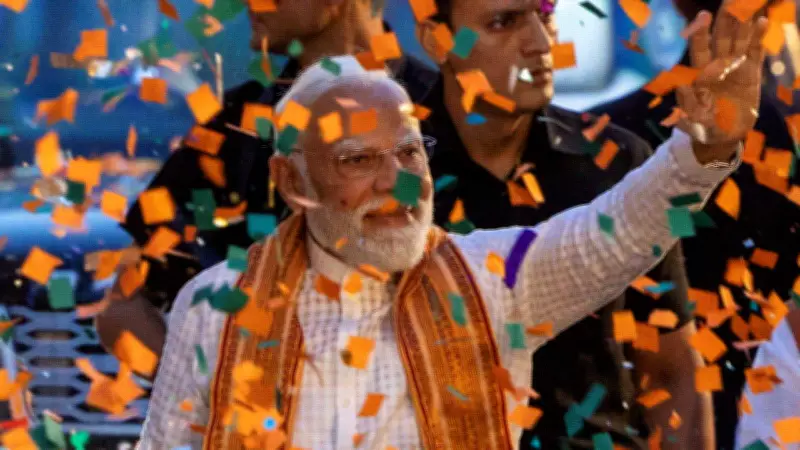
The BJP's centralised strategy, combined with Prime Minister Narendra Modi's popularity, has enabled the party to make inroads into regions traditionally dominated by regional players. In states like West Bengal, Odisha, and Telangana, the BJP has significantly increased its vote share and seat count in recent elections.
Challenges for Regional Parties
Regional parties face several hurdles, including limited financial resources, reliance on charismatic leadership, and the BJP's ability to co-opt local issues. The ruling party's use of national security and Hindutva narratives often overshadows regional concerns.

Resilience and Adaptation
Despite these challenges, regional parties have shown remarkable resilience. They have successfully leveraged local identity, caste equations, and development issues to retain their core voter base. For instance, the Trinamool Congress in West Bengal and the Biju Janata Dal in Odisha have managed to counter the BJP's advances by focusing on welfare schemes and regional pride.
Electoral Performance
In the 2024 Lok Sabha elections, regional parties collectively won a significant number of seats, proving that they remain relevant. While the BJP emerged as the single largest party, its dependence on allies in some states underscores the continued importance of regional forces.
Future Outlook
The survival of regional parties will depend on their ability to innovate, build alliances, and address grassroots concerns. Declaring their end would be premature, as they continue to play a crucial role in India's federal structure and democratic diversity.