The debate over reservation in India has once again taken centre stage, with calls for a reset of the system to ensure that benefits truly reach the most marginalised sections of society. The current framework, while instrumental in providing opportunities to historically oppressed communities, has often been criticised for perpetuating a creamy layer effect, where the better-off within reserved categories corner the benefits, leaving the poorest behind.
The Need for a Fresh Approach
India's reservation policy, rooted in the Constitution, aims to address centuries of caste-based discrimination. However, over time, the system has evolved into a complex web of quotas that sometimes fail to target the most needy. Experts argue that a reset is necessary to refine the criteria for identifying beneficiaries, focusing on economic status alongside caste. This would help in reaching those who are truly marginalised, such as landless labourers, manual scavengers, and other extremely backward communities.
Challenges in Implementation
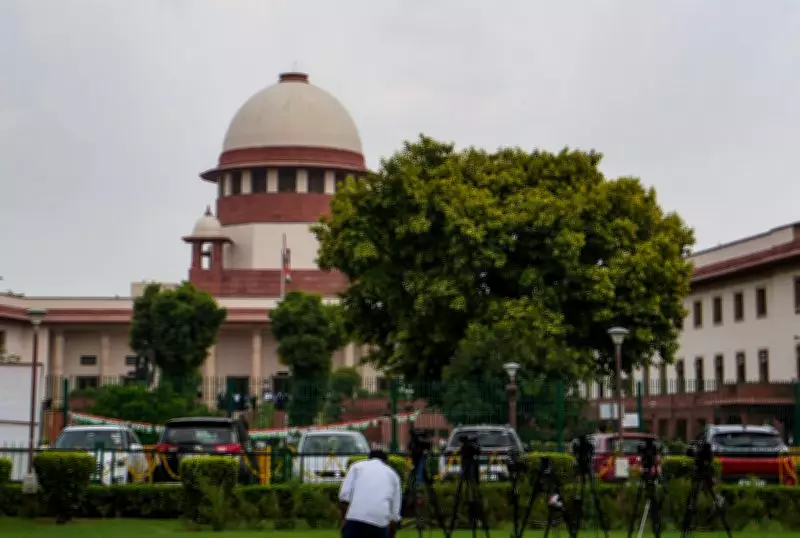
One of the major hurdles is the lack of accurate data on the socio-economic conditions of various castes. The absence of a comprehensive caste census after 1931 has made it difficult to assess the real impact of reservations. Moreover, political considerations often hinder any meaningful reform, as parties fear losing support from caste-based vote banks. The Supreme Court has also weighed in, emphasising that reservation should not become a tool for perpetuating inequality but should be periodically reviewed.

The Way Forward
To make reservation more effective, policymakers must adopt a multi-pronged strategy. This includes conducting a thorough caste-based census, introducing sub-quotas within reserved categories for the most deprived, and strengthening educational and economic support systems. Additionally, there is a need to address the root causes of caste discrimination through social awareness and strict enforcement of anti-discrimination laws. Only then can the promise of reservation as a tool for social justice be fully realised.
In conclusion, while reservation has played a crucial role in empowering marginalised communities, its benefits have not percolated equally. A reset that prioritises the truly disadvantaged is essential to uphold the constitutional vision of an egalitarian society.