

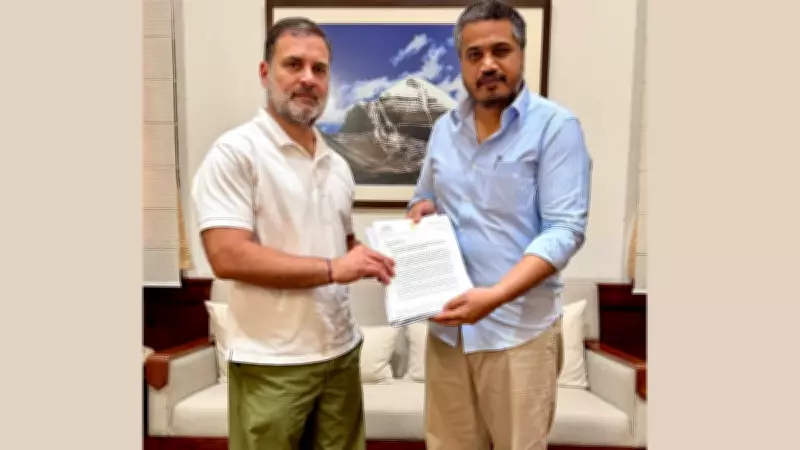
Rohit Pawar Meets Rahul Gandhi to Submit Evidence in Ajit Pawar Death Case
In a significant political development, Rohit Pawar, a prominent figure in Indian politics, held a crucial meeting with Congress leader Rahul Gandhi. During this meeting, Pawar formally submitted evidence pertaining to the controversial death case of Ajit Pawar, a matter that has been a source of intense speculation and debate across the nation. The evidence presented aims to shed light on the circumstances surrounding Ajit Pawar's demise, which has remained shrouded in mystery and political intrigue.
Call for Lok Sabha Debate on the Matter
Alongside the submission of evidence, Rohit Pawar strongly advocated for a comprehensive debate in the Lok Sabha regarding the Ajit Pawar death case. He emphasized the need for parliamentary scrutiny to ensure transparency and accountability in handling such sensitive issues. This move underscores the growing demand among political circles and the public for a thorough investigation into the case, which many believe has far-reaching implications for governance and justice in India.
The meeting between Rohit Pawar and Rahul Gandhi is seen as a strategic effort to galvanize support and bring national attention to the case. By involving a senior opposition leader like Gandhi, Pawar aims to amplify the call for action and push for legislative discussions that could lead to a formal inquiry or policy changes. This collaboration highlights the ongoing political tensions and the complex dynamics within Indian politics, where high-profile cases often become focal points for broader debates on law, order, and ethical governance.

Evidence Details and Political Implications
While specific details of the evidence submitted by Rohit Pawar have not been publicly disclosed, sources indicate that it includes documents and testimonies that challenge the official narrative of Ajit Pawar's death. The case, which has been a subject of media scrutiny and public interest, involves allegations of foul play and cover-ups, making it a contentious issue in political discourse. Pawar's decision to approach Rahul Gandhi suggests a concerted effort to leverage opposition platforms to address what he perceives as injustices or oversights in the investigation process.
The push for a Lok Sabha debate is expected to spark discussions on the role of parliamentary oversight in criminal cases involving political figures. If initiated, such a debate could lead to demands for a re-examination of the evidence, potential legal reforms, or increased pressure on law enforcement agencies to reopen the case. This development comes at a time when public trust in institutions is under scrutiny, and calls for greater accountability are on the rise, making it a pivotal moment in India's political landscape.
In summary, Rohit Pawar's meeting with Rahul Gandhi marks a critical step in the ongoing saga of the Ajit Pawar death case. By submitting evidence and advocating for a parliamentary debate, Pawar is not only seeking justice for the deceased but also challenging the status quo and urging for systemic changes. As the situation unfolds, it will likely continue to influence political strategies and public perceptions, underscoring the intricate interplay between law, politics, and society in contemporary India.






