

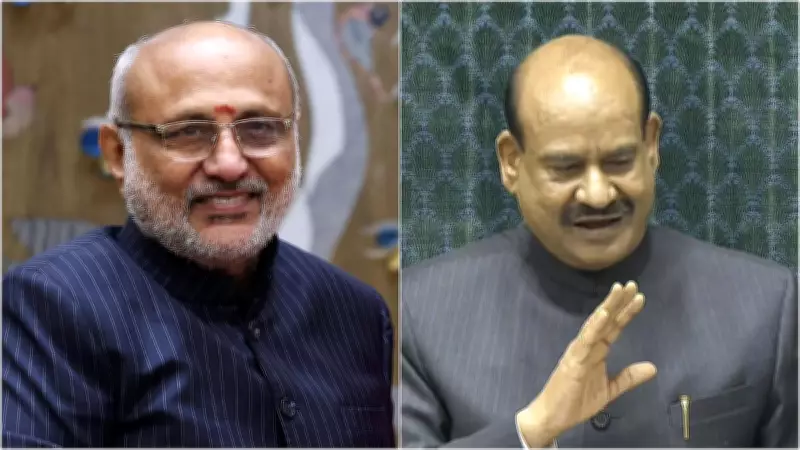
RS Chairman and LS Speaker Dismiss Opposition's Call for Gyanesh Kumar's Removal
The Rajya Sabha Chairman and Lok Sabha Speaker have jointly addressed the recent opposition allegations seeking the removal of Gyanesh Kumar, stating that the claims lack the necessary proof to proceed. In a formal statement, the Rajya Sabha Chairman emphasized that such a motion can only be admitted when there exists "credible material" to support the allegations. This declaration underscores the stringent standards required for parliamentary actions of this nature.
Emphasis on Credible Evidence in Parliamentary Procedures
The Rajya Sabha Chairman clarified that parliamentary rules mandate substantial evidence for any motion calling for the removal of an official. He highlighted that the current allegations against Gyanesh Kumar do not meet this threshold, as they are based on insufficient or unverified information. This stance aims to uphold the integrity of parliamentary processes and prevent baseless accusations from disrupting governance.
The Lok Sabha Speaker echoed these sentiments, reinforcing the need for due diligence and factual backing in such matters. Both leaders stressed that without concrete proof, the opposition's demands cannot be entertained, ensuring that parliamentary proceedings remain focused on substantive issues rather than unsubstantiated claims.

Context and Implications of the Allegations
The opposition's call for Gyanesh Kumar's removal has sparked significant debate in political circles, with critics arguing that it reflects broader tensions within the Indian political landscape. However, the dismissal by the RS Chairman and LS Speaker signals a commitment to procedural rigor and evidence-based decision-making.
This incident highlights the importance of maintaining high standards of accountability in government, while also safeguarding against frivolous or politically motivated challenges. It serves as a reminder that parliamentary mechanisms are designed to balance oversight with fairness, requiring robust proof before any action can be taken against public officials.
As the situation unfolds, observers note that this development could influence future parliamentary dynamics, potentially setting a precedent for how similar allegations are handled. The emphasis on "credible material" may encourage more thorough investigations and documentation in political disputes, fostering a more transparent and accountable governance environment.






