

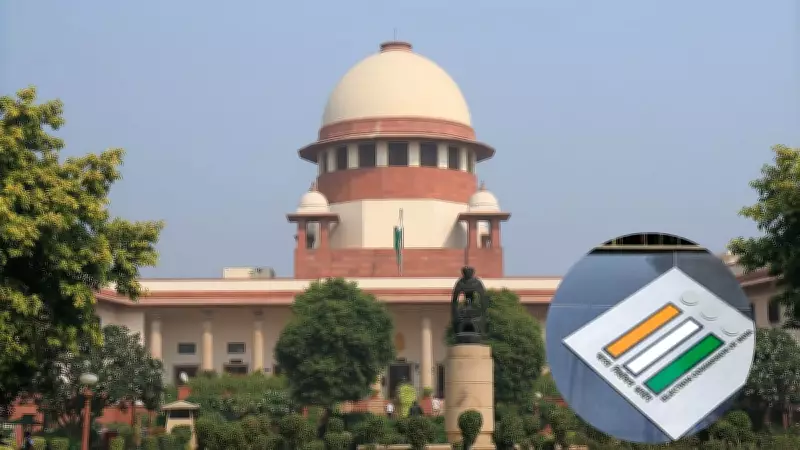
Supreme Court Urges Election Commission to Address Election Spending Concerns
The Supreme Court of India has issued a directive to the Election Commission, calling for the consideration of suggestions aimed at curbing excessive election expenditures. This move underscores the judiciary's focus on promoting financial transparency and accountability in the electoral process.
Judicial Emphasis on Regulatory Framework
During the proceedings, the bench explicitly stated, "It is for the Election Commission to lay down some guidelines. The petitioner has sought a comprehensive plan of action to curb excess election expenditure." This statement highlights the court's view that the Election Commission holds the primary responsibility for establishing regulatory measures to manage campaign costs effectively.
Background and Implications
The directive arises from a petition that advocates for stricter controls over election spending, which has been a longstanding issue in Indian politics. High campaign expenses often lead to concerns about corruption, undue influence, and an uneven playing field for candidates with limited resources.

Key aspects of the Supreme Court's instruction include:
- Encouraging the Election Commission to develop and implement clear guidelines on expenditure limits.
- Requesting a detailed action plan to monitor and enforce these limits during elections.
- Promoting greater transparency in campaign financing to ensure fair electoral practices.
Potential Outcomes and Future Steps
If the Election Commission acts on this directive, it could lead to significant reforms in how election campaigns are funded and conducted. Possible measures might involve stricter auditing of campaign finances, enhanced reporting requirements for political parties, and penalties for violations of expenditure norms.
This development is part of broader efforts to strengthen democratic institutions in India by addressing financial irregularities in elections. It aligns with ongoing public and judicial scrutiny over the integrity of electoral processes.
As the Election Commission reviews the suggestions, stakeholders, including political parties, civil society groups, and voters, will be closely watching for any proposed changes that could reshape campaign dynamics in future elections.






