

Supreme Court Mandates Election Commission to Form Appellate Tribunal for West Bengal
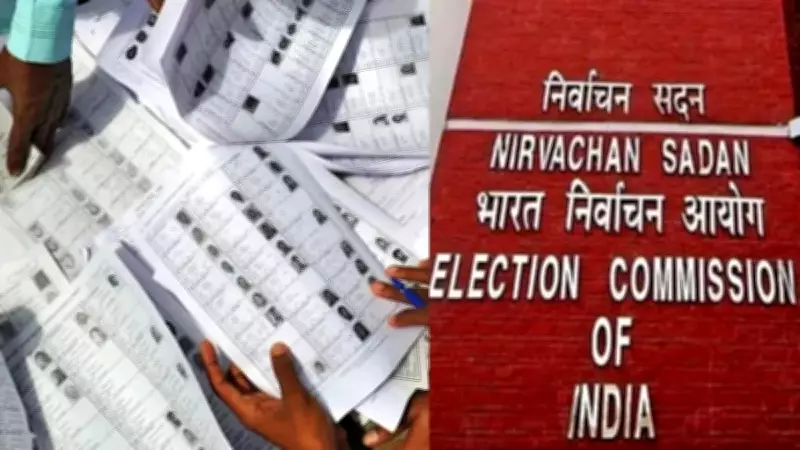
In a significant ruling aimed at enhancing electoral transparency and fairness, the Supreme Court of India has issued a directive to the Election Commission (EC) to establish an appellate tribunal. This tribunal will specifically handle appeals from applicants whose applications have been rejected in West Bengal, addressing concerns over procedural lapses and ensuring a robust mechanism for dispute resolution.
Background and Context of the Directive
The directive stems from ongoing issues in West Bengal where numerous applicants, including those seeking candidacy or voter registration, have faced rejections without adequate avenues for appeal. The Supreme Court, recognizing the potential for electoral malpractices and the need for judicial oversight, intervened to mandate this tribunal. This move is part of broader efforts to uphold democratic principles and prevent arbitrary decisions that could disenfranchise citizens or skew electoral outcomes.
The tribunal is expected to operate independently, with powers to review and overturn rejections based on merit, thereby providing a safety net for aggrieved parties. This development comes amid heightened political activity in West Bengal, where elections are often contentious, and disputes over application rejections have previously led to legal battles and public outcry.

Implications for Electoral Processes in West Bengal
The establishment of this appellate tribunal is poised to have far-reaching implications for West Bengal's electoral landscape. By offering a formal channel for appeals, it aims to reduce the backlog of cases in higher courts and expedite the resolution of disputes. This is crucial in a state known for its vibrant but sometimes volatile political environment, where timely and fair electoral processes are essential for maintaining public trust.
Experts suggest that this directive could set a precedent for other states facing similar challenges, promoting uniformity in electoral dispute resolution across India. The tribunal's decisions will be binding, ensuring that the Election Commission adheres to due process and transparency in its operations. This aligns with the Supreme Court's ongoing commitment to safeguarding democratic institutions and preventing electoral fraud.
Key Features of the Appellate Tribunal
- Jurisdiction: The tribunal will exclusively hear appeals related to rejected applications in West Bengal, covering areas such as candidate nominations, voter registrations, and other electoral matters.
- Composition: It will comprise experienced judicial officers or experts appointed by the Election Commission, in consultation with legal authorities, to ensure impartiality and expertise.
- Procedures: Appeals must be filed within a specified timeframe, and the tribunal will follow streamlined procedures to ensure swift hearings and decisions, minimizing delays in the electoral cycle.
- Outcomes: The tribunal has the authority to uphold, modify, or overturn rejections, providing relief to applicants who have been wrongfully denied participation in elections.
This initiative is seen as a proactive step by the judiciary to reinforce electoral integrity, especially in regions like West Bengal where political rivalries can sometimes overshadow procedural fairness. By empowering the Election Commission with this appellate mechanism, the Supreme Court aims to foster a more accountable and transparent electoral system.
Broader Impact on Indian Democracy
Beyond West Bengal, this directive underscores the Supreme Court's role in shaping electoral governance in India. It highlights the importance of judicial intervention in correcting systemic flaws and ensuring that electoral bodies operate with heightened accountability. As India continues to evolve as a democracy, such measures are vital for protecting citizens' rights and preventing the erosion of democratic values.

The appellate tribunal is expected to become operational in the coming months, with the Election Commission tasked to implement the Supreme Court's orders promptly. Stakeholders, including political parties and civil society groups, have welcomed this move, viewing it as a positive development for electoral justice and fairness in West Bengal and potentially beyond.





