

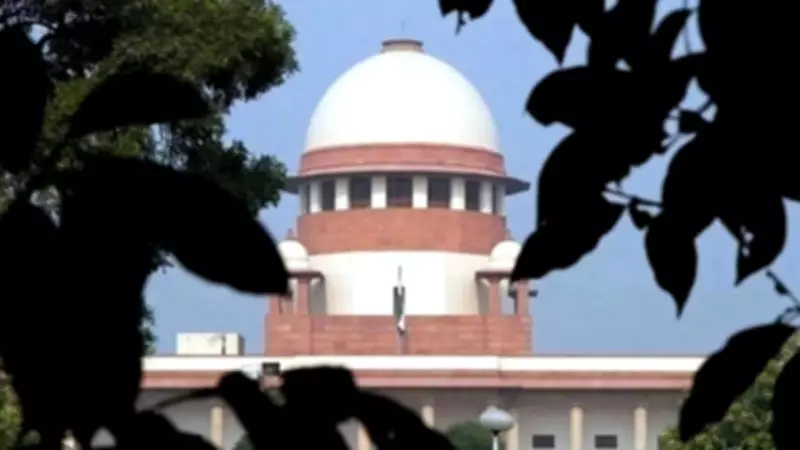
Supreme Court Dismisses 'Fishing Inquiry' Over West Bengal Voter List Claims
The Supreme Court of India has taken a decisive stance on allegations regarding the addition of voters in West Bengal, firmly rejecting what it termed a "fishing inquiry." This ruling comes at a critical juncture as the state prepares for its upcoming Assembly elections, which are set to be conducted in two distinct phases.
Key Details of the Court's Decision
In a significant development, the apex court addressed concerns raised about potential irregularities in the voter lists for West Bengal. The court emphasized that the allegations lacked substantial evidence and were akin to a speculative or exploratory probe, which it does not entertain. This decision underscores the judiciary's commitment to maintaining electoral integrity without succumbing to unsubstantiated claims.
Election Schedule and Implications
The West Bengal Assembly polls are scheduled to unfold in two phases: the first on April 23, 2026, and the second on April 29, 2026. The votes from both phases will be meticulously counted on May 4, 2026. This timeline places the court's ruling in a highly relevant context, as it aims to ensure a smooth and fair electoral process free from baseless distractions.

The court's dismissal of the "fishing inquiry" allegation is expected to have several implications:
- Clarity for Electoral Authorities: The Election Commission of India can now focus on administering the polls without undue interference from unverified claims.
- Public Confidence: By addressing these allegations head-on, the Supreme Court helps bolster trust in the democratic process among West Bengal's electorate.
- Legal Precedent: This ruling sets a precedent for handling similar cases in the future, emphasizing the need for concrete evidence in electoral disputes.
Broader Context and Reactions
West Bengal has been a focal point of intense political activity, with voter list integrity often becoming a contentious issue during election seasons. The Supreme Court's firm stance is seen as a move to curb frivolous petitions that could potentially disrupt the electoral machinery. Legal experts have noted that such decisions are crucial in upholding the sanctity of elections, especially in a vibrant democracy like India.
As the state gears up for the polls, all eyes will be on how this ruling influences the campaigning and voting dynamics. The Supreme Court's intervention is a reminder of the judiciary's pivotal role in safeguarding democratic principles, ensuring that elections are conducted in a free, fair, and transparent manner.






