The Supreme Court of India has commenced a crucial hearing on petitions challenging the ongoing Special Intensive Revision (SIR) of electoral rolls in West Bengal. This significant judicial proceeding is being conducted by a bench led by the Chief Justice of India, marking a pivotal moment in the state's electoral landscape.
Mamata Banerjee's Presence in Court
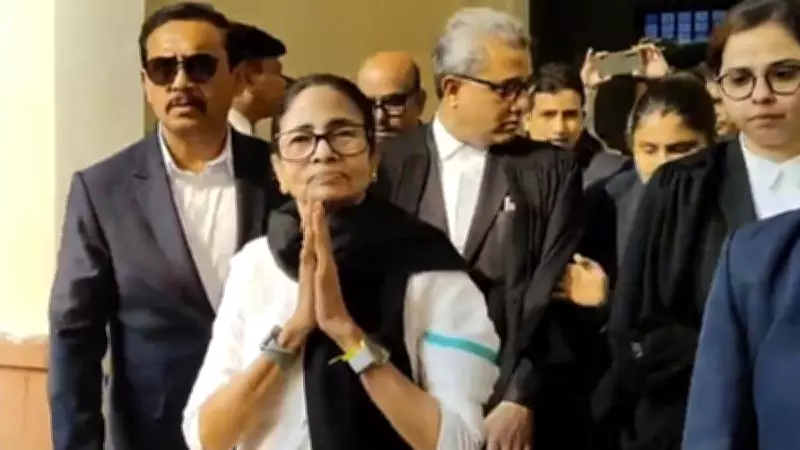
West Bengal Chief Minister Mamata Banerjee was observed seated in the front row of the courtroom during the hearing. She was accompanied by a team of senior advocates, indicating the high-stakes nature of the legal challenge against the electoral roll revision process.
Petitions Against Special Intensive Revision
The petitions before the Supreme Court bench specifically contest the Special Intensive Revision of electoral rolls currently underway in West Bengal. This revision process has sparked considerable controversy and legal scrutiny, with petitioners raising concerns about its implementation and potential implications for voter lists.

Legal and Political Implications
The hearing carries substantial legal and political significance for West Bengal, as electoral roll revisions directly impact voter eligibility and representation. The Supreme Court's examination of these petitions could establish important precedents regarding election administration procedures and their compliance with constitutional principles.
Timeline and Context
The hearing follows recent developments in West Bengal's electoral processes, with the Election Commission implementing the Special Intensive Revision to update and verify voter lists. The legal challenges question the methodology, timing, and potential consequences of this revision exercise.
As the Supreme Court deliberates on these petitions, all stakeholders await the judicial outcome that could influence electoral preparations and political dynamics in West Bengal. The presence of the state's chief minister underscores the importance attached to this legal proceeding by West Bengal's political leadership.