

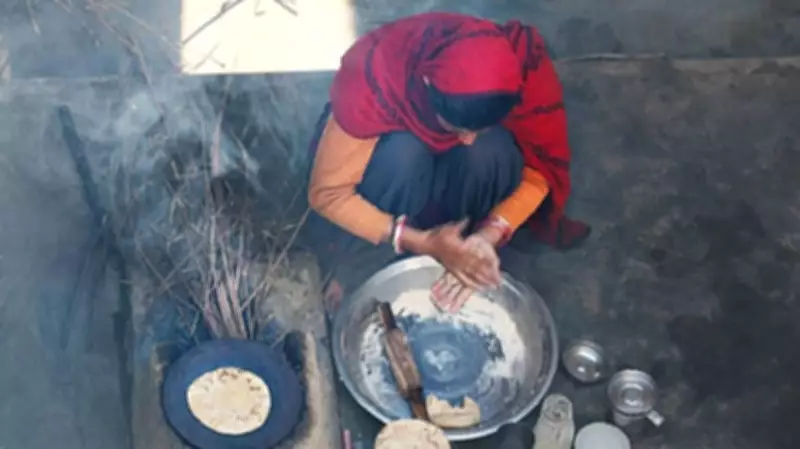
The Supreme Court of India has delivered a landmark judgment recognizing homemakers as nation builders and directing that the loss of a wife's domestic care should be monetised at Rs 30,000 per month. The court emphasized that it is ironic to describe a homemaker as dependent on earning members when, in reality, the household's functioning depends substantially on the homemaker.
Landmark Ruling on Homemakers' Contribution
In a significant observation, the Supreme Court stated that homemakers are not merely dependents but are essential contributors to the household and the economy. The court noted that the domestic work performed by a wife, including cooking, cleaning, childcare, and managing the household, has immense economic value. The judgment came in a case related to compensation for the loss of a homemaker in a motor accident.
Monetisation of Domestic Work
The court directed that for the purpose of calculating compensation in cases of death or injury of a homemaker, the value of her domestic services should be taken as Rs 30,000 per month. This amount is to be considered as the notional income of the homemaker, which will be used to determine the compensation payable to the family. The court also suggested that this figure should be periodically revised to account for inflation.

Homemakers as Nation Builders
The Supreme Court observed that homemakers play a crucial role in nation-building by nurturing future generations and maintaining the social fabric. The court said that it is a misconception to view homemakers as financially dependent on other family members. In reality, the entire household depends on the homemaker's unpaid labor, which contributes significantly to the well-being of the family and the economy.
Implications of the Judgment
This judgment is expected to have far-reaching implications for how homemakers are valued in legal and social contexts. It sets a precedent for calculating compensation in accident cases involving homemakers and recognizes their economic contribution. The court also urged the government to consider policies that provide social security and pension benefits for homemakers.
Reactions and Analysis
Legal experts and women's rights activists have hailed the judgment as a progressive step toward gender equality. They argue that it challenges the traditional notion of homemakers being 'non-working' and acknowledges their vital role. The ruling is also seen as a move to address the economic vulnerability of women who leave the workforce to manage households.
Conclusion
The Supreme Court's decision to monetise domestic work at Rs 30,000 is a historic acknowledgment of the value of homemakers. By calling them nation builders, the court has elevated the status of millions of women who work tirelessly without financial recognition. This judgment is a step toward a more inclusive and equitable society.






