

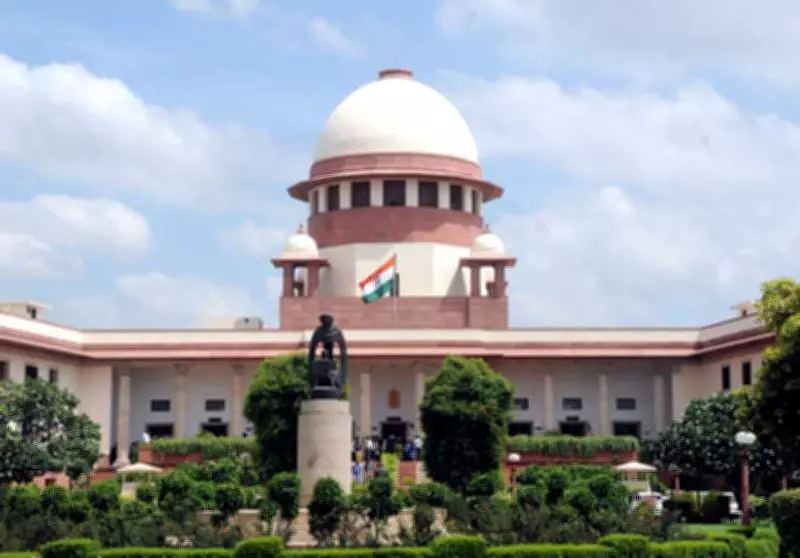
The Supreme Court of India has made a landmark ruling that no court can force a minor to carry a pregnancy against her will. The judgment underscores the fundamental right of bodily autonomy and reproductive choice for minors, even in cases involving sexual assault.
Key Ruling
A bench of Justices emphasized that the best interests of the minor child are paramount. The court stated that compelling a minor to continue an unwanted pregnancy would cause severe mental and physical trauma, violating her rights under Article 21 of the Constitution.
Background
The case involved a 14-year-old rape survivor who sought termination of her pregnancy beyond the legal limit of 20 weeks under the Medical Termination of Pregnancy Act. The court allowed the termination, noting that forcing the minor to carry the pregnancy would be detrimental to her health and future.

Legal Implications
The ruling has significant implications for cases under the Protection of Children from Sexual Offences (POCSO) Act. It clarifies that the rights of the minor victim take precedence over any legal restrictions on abortion timelines. The court also directed that medical boards should assess each case individually, considering the minor's physical and mental well-being.
Reactions
Child rights activists have welcomed the judgment, calling it a progressive step that prioritizes the welfare of the child over rigid legal provisions. Legal experts believe this will set a precedent for future cases involving minor pregnancies.
The Supreme Court's decision reaffirms that no minor should be subjected to forced pregnancy, ensuring their dignity and autonomy are protected by law.






