

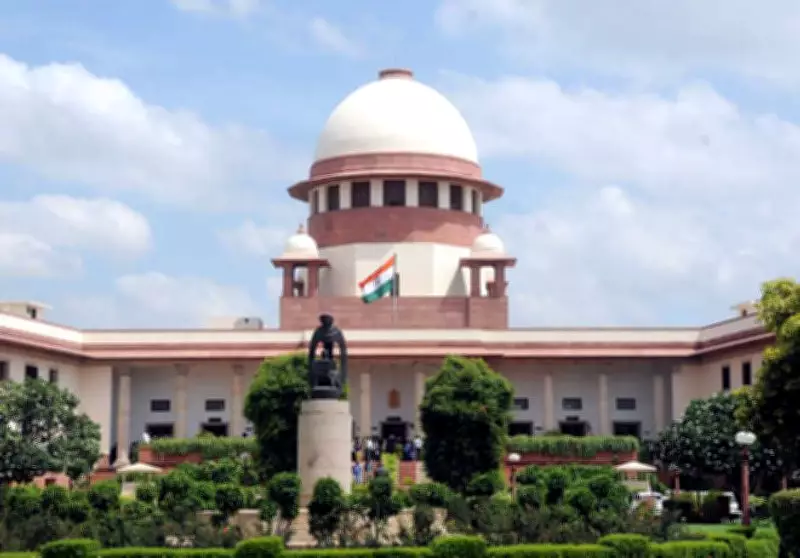
Supreme Court Seeks Response from Government and Election Commission on Biometric Voter Identification PIL
The Supreme Court of India has taken a significant step by issuing formal notices to the Central Government and the Election Commission of India (ECI) in response to a Public Interest Litigation (PIL) that advocates for the implementation of biometric identification systems at polling stations across the nation. This legal action underscores a growing concern over electoral integrity and the potential for voter fraud in the world's largest democracy.
Details of the Public Interest Litigation and Court Proceedings
The PIL, filed by concerned citizens and civil society groups, specifically requests the mandatory use of biometric data—such as fingerprints or iris scans—to verify the identity of voters before they cast their ballots. Proponents argue that this measure is crucial to eliminate duplicate voting, impersonation, and other forms of electoral malpractice that can undermine the fairness of elections. During the hearing, a bench of Supreme Court justices expressed the need for a thorough examination of the proposal, prompting the issuance of notices to the relevant authorities.
The court has directed the Centre and the Election Commission to submit detailed responses within a stipulated timeframe, addressing the feasibility, legal implications, and potential challenges of integrating biometric technology into the existing electoral framework. This move highlights the judiciary's proactive role in safeguarding democratic processes and ensuring that electoral reforms keep pace with technological advancements.

Arguments in Favor of Biometric Voter Identification
Supporters of the PIL emphasize several key benefits of biometric identification at polling stations:
- Enhanced Security: Biometric systems provide a highly secure method of voter authentication, reducing the risk of fraudulent activities like bogus voting or identity theft.
- Increased Accuracy: By linking voter identities to unique biological traits, the system can minimize errors associated with manual verification or photo ID cards.
- Streamlined Process: Automated biometric checks could potentially speed up the voting process, reducing long queues and improving voter turnout.
- Global Precedents: Many countries have successfully implemented biometric voting systems, offering models that India could adapt to its context.
Advocates also point out that such measures align with the government's Digital India initiative, promoting the use of technology for public welfare and governance efficiency.
Potential Challenges and Concerns Raised by Critics
Despite the advantages, the proposal faces significant opposition and practical hurdles:
- Privacy Issues: Collecting and storing biometric data raises serious concerns about data privacy and the potential for misuse, especially in light of recent debates over surveillance and personal freedoms.
- Implementation Costs: Deploying biometric infrastructure nationwide would require substantial financial investment, which critics argue could strain public resources.
- Technical Glitches: Reliance on technology introduces risks of system failures, software errors, or hacking, which could disrupt elections and disenfranchise voters.
- Accessibility: There are worries that biometric systems might exclude certain demographics, such as elderly voters or those with physical disabilities, who may have difficulty with scanning devices.
The Election Commission has previously explored similar ideas but has cited logistical and ethical challenges as barriers to widespread adoption.
Next Steps and Broader Implications for Indian Democracy
The Supreme Court's notice marks a pivotal moment in the ongoing discourse on electoral reforms in India. As the Centre and Election Commission prepare their responses, stakeholders from political parties, technology experts, and civil society are expected to weigh in on the debate. The outcome could influence future election policies and set precedents for how technology is leveraged to strengthen democratic institutions.

This case also reflects broader trends in governance, where courts are increasingly called upon to address complex issues at the intersection of law, technology, and public policy. Regardless of the final decision, the PIL has succeeded in bringing critical questions about voter identification and electoral transparency to the forefront of national conversation.
In summary, the Supreme Court's intervention highlights a concerted effort to balance innovation with integrity in India's electoral processes, with potential ramifications for voting systems worldwide.




