

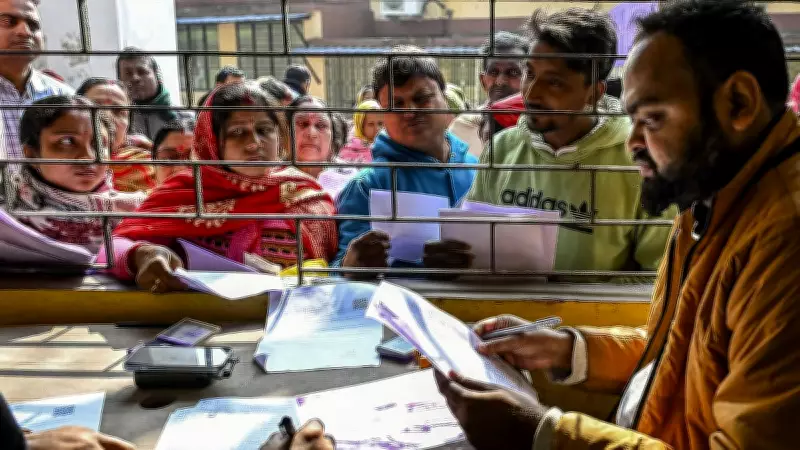
Supreme Court Issues Dual Directives for West Bengal 2026 Assembly Elections
The Supreme Court of India has issued two significant orders concerning the upcoming West Bengal Assembly Elections scheduled for 2026, aiming to ensure electoral integrity and procedural fairness. In a landmark decision, the apex court has directed the Election Commission of India (EC) to publish a supplementary list of remaining voters by April 6, 2026. This move is designed to address any omissions or discrepancies in the existing voter rolls, thereby enhancing the inclusivity and accuracy of the electoral process.
Key Developments in the Supreme Court Ruling
During the proceedings, the Supreme Court emphasized the critical importance of timely voter registration updates ahead of the high-stakes elections in West Bengal. The directive for the supplementary voter list publication on April 6, 2026, is intended to provide ample opportunity for eligible citizens to verify their details and make necessary corrections before the polls. This step is seen as a proactive measure to prevent potential disputes and ensure that every qualified voter can participate in the democratic exercise.
Simultaneously, the Supreme Court has instructed the Chief Justice of the Calcutta High Court to establish a specialized three-judge panel. This panel will be tasked with prescribing standardized procedures for tribunals to adjudicate appeals against deletions from the voter lists. The creation of this judicial body aims to streamline the appeal process, reduce delays, and uphold transparency in handling grievances related to voter list modifications.

Implications for the Electoral Landscape in West Bengal
The Supreme Court's orders are expected to have far-reaching implications for the political climate in West Bengal. By mandating the publication of a supplementary voter list, the court is addressing concerns about voter disenfranchisement and ensuring that the electoral rolls are comprehensive and up-to-date. This action is particularly significant in a state known for its competitive politics and high voter turnout, as it seeks to bolster public confidence in the electoral system.
Furthermore, the establishment of a three-judge panel to oversee tribunal procedures marks a crucial step towards judicial oversight in electoral matters. This panel will play a pivotal role in standardizing the appeal mechanisms, thereby minimizing inconsistencies and potential biases in decisions related to voter deletions. Legal experts view this as a move to strengthen the rule of law and provide a fair platform for resolving electoral disputes.
Broader Context and Future Outlook
These developments come amid ongoing preparations for the West Bengal Assembly Elections in 2026, which are anticipated to be closely contested. The Supreme Court's intervention underscores the judiciary's commitment to safeguarding democratic principles and ensuring free and fair elections. Stakeholders, including political parties, election officials, and civil society groups, are likely to monitor the implementation of these directives closely.
In summary, the Supreme Court has taken decisive action to enhance the electoral framework in West Bengal by ordering a supplementary voter list publication and setting up a judicial panel for appeal procedures. These measures are poised to contribute to a more transparent and accountable election process, reinforcing the foundations of democracy in the state.






