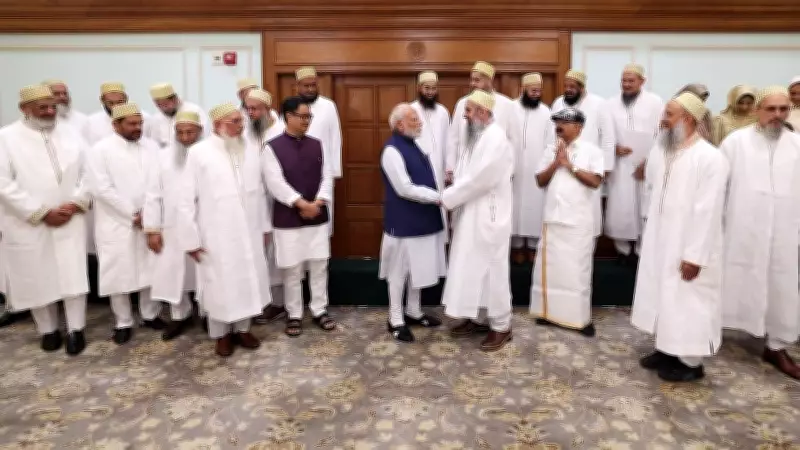
A nine-judge Constitution bench led by Chief Justice of India Surya Kant on Wednesday questioned the maintainability of a 1986 public interest litigation (PIL) filed by the Dawoodi Bohra community board. The bench was hearing a batch of petitions concerning discrimination against women at religious places, including the Sabarimala temple in Kerala, and the scope of religious freedom practiced by multiple faiths, including the Dawoodi Bohras.
Background of the Case
The PIL, filed in 1986 by the Dawoodi Bohra community board, sought to uphold certain religious practices. However, during the hearing, the Supreme Court raised doubts about whether the petition remained valid after several decades and changes in legal precedents. The bench noted that the issues raised in the PIL might have been rendered moot or require fresh examination in light of subsequent judicial pronouncements.
Religious Freedom and Women's Entry
The larger question before the court pertains to the extent of religious freedom guaranteed under the Constitution and its interplay with the right to equality, particularly for women. The Sabarimala temple entry case, which allowed women of all ages to enter the temple, is a key reference point. The Dawoodi Bohra community, a sect of Shia Islam, has its own practices regarding women's participation, which have been challenged for alleged discrimination.

Chief Justice Surya Kant emphasized that the court must balance religious autonomy with constitutional morality. The bench is expected to deliver a landmark judgment that could set a precedent for similar cases involving other religious communities.
Arguments Presented
Senior advocates appearing for various parties argued that the 1986 PIL should not be dismissed on technical grounds, as it raises fundamental questions about gender equality and religious freedom. Conversely, some counsel submitted that the PIL has outlived its relevance and should be withdrawn or replaced with a fresh petition.
The court has reserved its order on the maintainability issue, while continuing to hear substantive arguments on the broader constitutional questions. The outcome is awaited by many religious groups and women's rights activists across the country.