

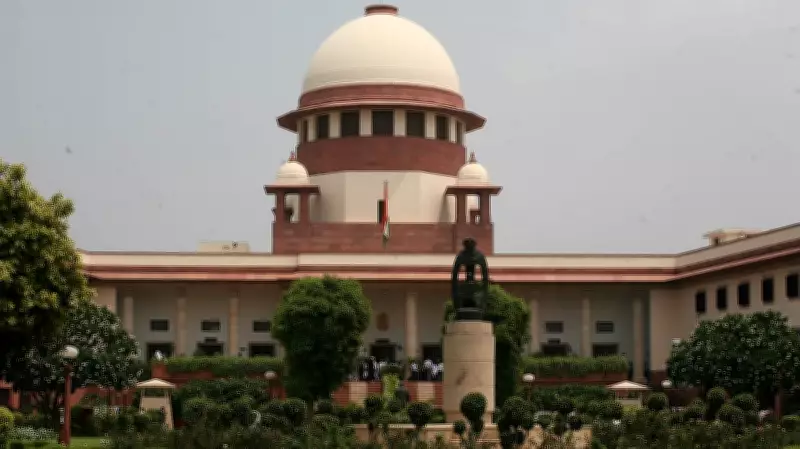
Supreme Court Demands Clarity from NBEMS on NEET-PG Cut-Off Reduction
The Supreme Court of India has issued a significant directive to the National Board of Examinations in Medical Sciences (NBEMS), emphasizing that the court's conscience must be satisfied regarding the board's decision to reduce qualifying cut-off percentiles for the NEET-PG 2025-26 counselling process. This development comes in response to a batch of petitions challenging the NBEMS notice dated January 13, 2026, which lowered the cut-off marks for various categories in the third round of counselling.
Legal Challenge to NBEMS Notice
A series of legal pleas have been filed contesting the January 13 notice issued by the NBEMS. This notice specifically reduced the qualifying cut-off percentiles required for participation in the counselling phase of the National Eligibility cum Entrance Test for Postgraduate (NEET-PG) 2025-26. The petitions argue that this unilateral adjustment by the examination body lacks transparency and could potentially compromise the standards of medical education in the country.
The Supreme Court, while hearing these petitions, made it unequivocally clear that the NBEMS must provide a robust and satisfactory justification for its decision. The bench underscored the importance of maintaining fairness and integrity in the medical admissions process, which directly impacts the future of healthcare professionals in India.

Court's Emphasis on Judicial Conscience
In a notable statement, the Supreme Court bench articulated that our conscience must be satisfied with the reasoning behind the NBEMS's move to lower the cut-off criteria. This phrase highlights the court's commitment to ensuring that any changes in the admission process are not only legally sound but also ethically justifiable and in the broader public interest.
The court's intervention underscores the critical nature of the NEET-PG examination, which serves as the gateway for thousands of medical graduates seeking admission to postgraduate courses across India. Any alterations to the qualifying thresholds have far-reaching implications for the quality of medical education and, consequently, the healthcare system.
Background of the NBEMS Notice
The controversial notice, issued on January 13, 2026, by the NBEMS, reduced the cut-off percentiles for different categories, including General, OBC, SC, ST, and EWS, for the third round of counselling for NEET-PG 2025-26. This decision was purportedly aimed at filling vacant seats in postgraduate medical programs, but it has sparked widespread debate and legal scrutiny.
Critics of the notice argue that lowering cut-offs could dilute the merit-based selection process, potentially allowing candidates with lower academic performance to secure admissions. Proponents, however, suggest that it helps address seat vacancies and ensures that medical institutions can operate at full capacity.
Implications for Medical Admissions
The Supreme Court's scrutiny of this matter brings to the forefront several key issues in medical education governance:
- Transparency in Decision-Making: The court's demand for justification highlights the need for greater transparency in how examination bodies like NBEMS make critical decisions affecting lakhs of aspirants.
- Maintaining Meritocracy: There is an ongoing tension between filling seats and upholding high academic standards, with the court emphasizing the latter.
- Legal Oversight: This case sets a precedent for judicial oversight in educational policies, ensuring that changes are not arbitrary but based on sound rationale.
As the legal proceedings continue, the medical community and aspiring postgraduate students await the NBEMS's response to the court's queries. The outcome of this case could influence future policies on cut-off determinations and counselling procedures for NEET-PG and other competitive examinations in India.

The Supreme Court has scheduled further hearings to delve deeper into the NBEMS's justifications, with the bench reiterating its stance that any decision impacting medical admissions must withstand both legal and ethical scrutiny. This development marks a pivotal moment in the ongoing evolution of India's medical education landscape, balancing administrative flexibility with the imperative of maintaining excellence.





